

An area manager is responsible for the performance of a group of retail stores. The role combines coaching store managers, reviewing results, visiting locations, checking standards and following up on problems that need support beyond one store.
The practical challenge is keeping track of several stores at once. One manager needs help with a new team, another is waiting for a repair, and a third has missed the same standard on two visits. The area manager decides where to spend time, what each store should do next and which problems head office needs to resolve.
This guide explains the main area manager responsibilities in retail, how they differ from store manager duties, and how to turn a store visit into useful follow-up.
What does an area manager do?
An area manager leads through the managers responsible for individual stores. They set priorities with those managers, review progress and help them solve problems while keeping the wider business informed.
The job has both commercial and operational responsibilities. Sales, costs and customer experience matter, alongside staffing, store standards and the work needed to maintain them. Our retail operations guide explains how those activities fit together across a store network.
Retailers organize the role differently. Some use district manager for similar responsibilities, while others have separate area, district and regional positions. The reporting line and authority should come from the employer’s organization chart.
For example, Lidl’s UK area manager profile describes supporting store managers and coordinating up to five stores. ALDI’s UK graduate programme describes responsibility for a group of stores and reporting to a Store Operations Director. These are employer examples; the number of stores, travel required and reporting structure vary.
The main responsibilities of a retail area manager
1. Review performance and agree store priorities
The area manager reviews how each store is performing against its plan, then investigates the reasons behind gaps. That means discussing sales, costs and customer experience with the store manager and connecting those results to what is happening on the floor.
A sales shortfall might coincide with poor availability, a disruption to trading or a change in customer traffic. Those situations need different responses. Ask what changed, check the relevant evidence and agree an action the store can actually carry out.
Keep the next priorities specific. “Improve performance” gives the manager little direction. “Review availability of the seasonal range before Saturday, identify missing products and escalate replenishment gaps” defines useful work. Keep financial reporting in the retailer’s established systems and use the operational record to track the response.
2. Coach store managers and develop future leaders
An area manager needs store managers who can make sound decisions between visits. Coaching should therefore build the manager’s judgment: how they delegate, plan coverage, give feedback and respond when the day changes.
Use something observed in the store as the starting point. If an opening routine was missed, ask the manager to explain how it was assigned and checked. Agree a change together, then review whether it worked on a later shift.
Development also includes identifying potential successors and arranging support for newly appointed managers. Give each development action a clear purpose, such as leading the next team briefing or improving a shift handover. Record progress privately through the company’s people processes.

3. Visit stores and assess operating standards
Store visits let an area manager compare reports with conditions on the floor. They can observe customer service, look at availability and presentation, speak with the team and assess whether agreed routines are working.
Use a consistent core of checks so findings are comparable, with relevant additions for the store format. A store with a bakery needs different checks from a homewares shop. Explain what satisfactory performance looks like and record the evidence behind a failed item.
The visit should also recognize work done well. A practical improvement from one store may help another, provided the local conditions are similar. Our store visit checklist guide covers the areas to examine in more detail.
4. Follow up on findings and remove obstacles
The area manager’s responsibility continues after a finding is recorded. A problem needs an owner, an agreed deadline, the right support and a way to check the result.
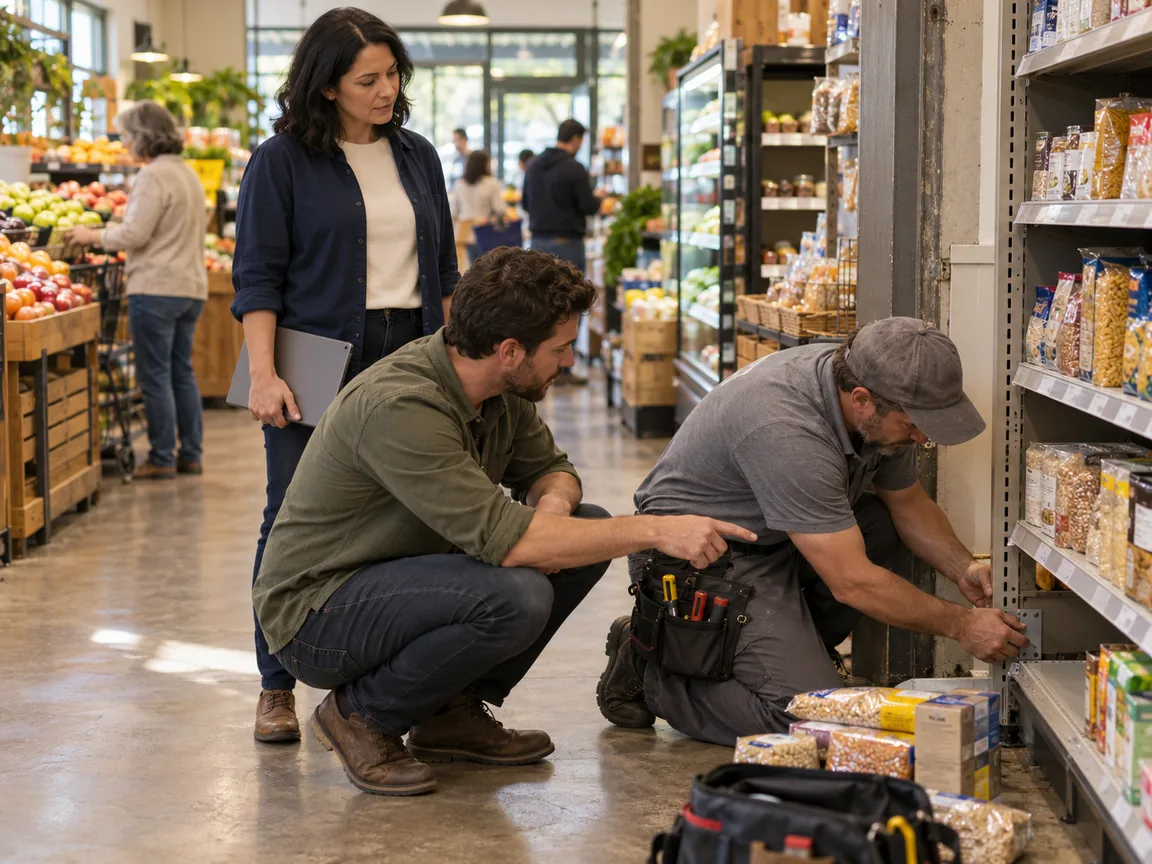
Some actions belong to the store manager. Others require maintenance, HR, buying or another head-office team. If a damaged fixture needs an approved contractor, asking the store to “fix it” leaves the important dependency unresolved. Identify who can authorize the repair and make sure the request reaches them.
When the same issue returns, review the reason with the manager. The original correction may have been temporary, the instructions may be unclear, or the store may lack the equipment to keep the standard. Repeating the deadline alone will not address those causes.
5. Coordinate staffing needs and management coverage
Area managers review whether stores have the management capability and coverage they need. Depending on their authority, they may support recruitment, succession planning, temporary cover and requests for additional resources.
The store manager usually manages the local schedule and day-to-day deployment. The area manager helps with problems that cross store boundaries or require a wider decision, such as several management vacancies in the same area.
Use the company’s approval routes for changes to budgets, employment terms or people decisions. Make those boundaries explicit so store managers know what they can resolve themselves and when to involve their area manager or HR.
6. Coordinate head-office plans across stores
Area managers help stores understand what a launch, campaign or operational change requires. Check that managers have the instructions, materials and time needed, then bring unresolved constraints back to the team that owns the plan.
For a promotional display, marketing owns the offer and artwork, while visual merchandising sets the display brief. Store teams carry out the assigned work. The area manager follows progress, helps with obstacles and checks that corrections receive attention.
A launch task and a store audit serve different purposes. The task records the work assigned for the launch; an area manager’s visit can assess whether the resulting display meets the agreed standard. Our promotion execution guide explains that workflow.

7. Report recurring problems and decisions needed
Head office needs a clear account of what requires action across the area. Separate isolated store issues from problems appearing in several locations, and state the decision or support needed.
A useful update might explain that several stores received an unsuitable display fixture, show the affected locations and name the person coordinating a replacement. Include what stores have already done and any temporary arrangement agreed.
Keep feedback moving in both directions. Once head office makes a decision, tell the affected managers what changes, who owns it and when they should expect the next update.
Area manager vs. store manager: who owns what?
The store manager leads one store’s daily work. The area manager supports and holds several store managers accountable for results, standards and improvement. Our store manager responsibilities guide covers the local role in detail.
The following division is a practical starting point to adapt to your company’s authority levels.
| Area of work | Store manager | Area manager |
|---|---|---|
| Daily priorities | Assigns work and adjusts the shift as conditions change | Agrees improvement priorities and checks progress across stores |
| People | Coaches the store team and manages local coverage | Coaches store managers and coordinates wider management support |
| Store standards | Maintains routines and corrects local gaps | Assesses standards on visits and follows recurring or unresolved findings |
| Resources | Raises needs and works within approved limits | Reviews requests, coordinates support and escalates decisions outside their authority |
| Campaigns | Carries out the brief and submits evidence | Tracks implementation across locations and helps resolve obstacles |
| Reporting | Explains local results and outstanding issues | Identifies patterns across stores and decisions needed from head office |
Avoid creating two competing lines of instruction. If an area manager changes a priority during a visit, align it with the store manager so the team knows which work comes first. Immediate issues still need prompt action through the retailer’s established procedures.
How to plan a useful store visit
A productive visit starts with a reason for being there and ends with agreed next steps. ALDI’s description of the area manager role emphasizes time spent visiting stores and supporting their performance. The routine below is a practical way to organize that time.
Before the visit: decide what needs attention
Review the previous report, outstanding actions, recent results and any concerns raised by the manager. Decide what needs checking in person and what can be resolved before traveling.
Balance planned coverage with current needs. A new manager, recurring finding or major change may justify extra attention. Stores performing steadily still need visits and development support; they should not disappear from the calendar because another location is louder.
Tell the manager the purpose of the visit and leave room for their concerns. Avoid building an agenda so full that there is no time to observe the store or speak with the team.

During the visit: observe, discuss and agree
Walk the store with the manager. Review the relevant standards, check earlier corrections and ask the people doing the work what gets in their way. Record clear findings without turning every conversation into a checklist item.
For each significant gap, agree:
What needs to change and what an acceptable result looks like.
Who owns the action and which other person or team must help.
When the action is due and when it will next be reviewed.
What evidence will demonstrate completion, such as a photo, service record or follow-up observation.
End with a short debrief. Confirm the most important actions and recognize progress since the last visit. The manager should leave knowing what to do next and what support the area manager has committed to provide.
After the visit: keep the follow-up visible
Share the visit record promptly and check actions when they are due. A photo can show the completed work; keeping it attached to the right finding makes it easier to review later. Where the result needs an in-person check or specialist confirmation, record that requirement too.
If work is late, identify the reason before changing the deadline. Escalate missing approvals or resources to the person who can resolve them, and keep the store manager informed.
Use our store visit report guide to structure the record. The free template below provides a place for findings, owners and due dates, so the follow-up is agreed before everyone returns to their day.

What should an area manager track?
Choose a small set of measures that connect results with the work behind them. Review stores against their own targets and circumstances before drawing conclusions from a ranking. Our retail store analytics guide covers the wider measurement picture.
| Measure | What to discuss | What to check before acting |
|---|---|---|
| Sales and margin against plan | Where results differ and what might explain the gap | Trading days, promotions, availability and local disruptions |
| Labor cost and coverage | Whether resources support the work and trading pattern | Vacancies, training needs and approved budgets |
| Customer feedback | Recurring service problems and examples of good service | The nature of the feedback and how the store responded |
| Audit findings | Which standards need attention across visits | Comparable checks and the seriousness of each finding |
| Overdue actions | Work still unresolved after its agreed deadline | The owner, dependency and reason for delay |
| Repeated findings | Whether a correction has lasted | What changed after the previous action and whether the cause was addressed |
Avoid treating a high audit score as proof that every significant problem is resolved. Read the individual findings alongside the score. Equally, closing many small tasks should not hide an important repair that remains open.
Skills and experience area managers need
The role requires enough retail knowledge to understand store problems and enough leadership skill to help someone else solve them. Important capabilities include commercial judgment, coaching, clear communication, prioritization and consistent follow-through.
Practice connecting those skills to real situations. Commercial judgment helps distinguish a local execution problem from a supply issue. Coaching helps a manager improve delegation. Prioritization helps decide which store needs a visit and which issue needs a head-office decision today.

Entry requirements vary by employer and route. ALDI’s graduate programme includes store experience, regional functions and leadership assessment within its training. Experienced store managers may bring a different background to an area role. Check the specific job description for qualifications, travel expectations and authority rather than assuming one route applies everywhere.
For someone moving up from store management, a useful development assignment is helping another manager improve a routine while leaving them responsible for their own store. It tests whether the future area manager can guide, agree actions and follow progress without taking over every decision.
Keep store findings and follow-up in one place
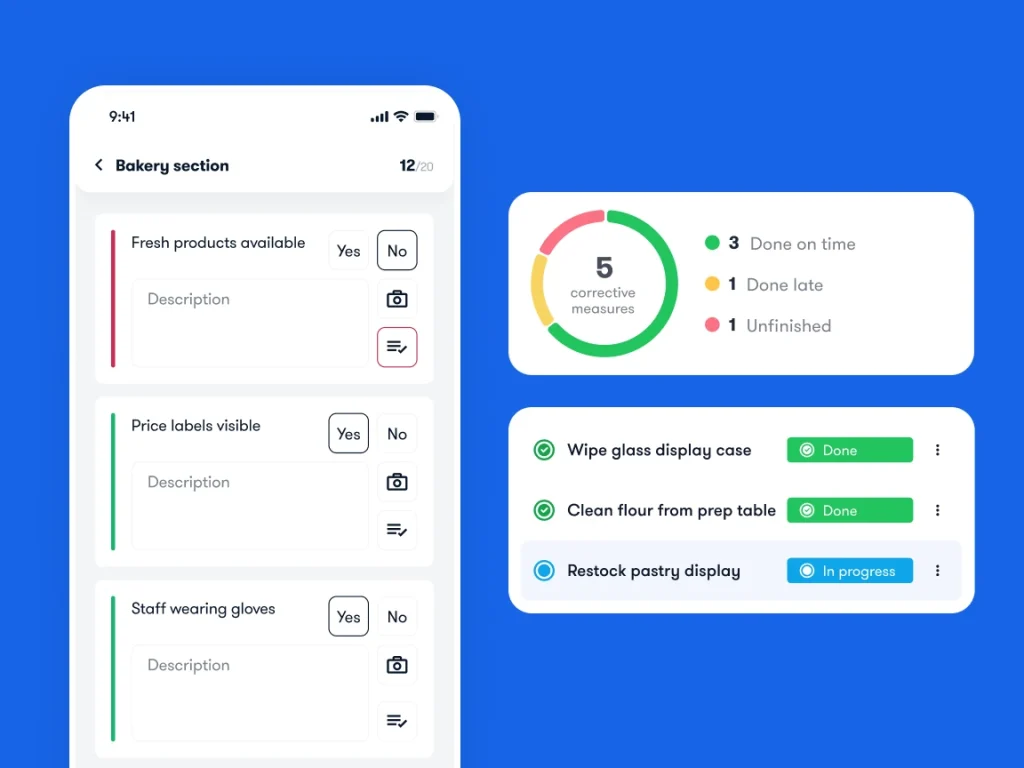
With several locations, photos and updates can become difficult to follow in a group chat. The area manager needs to see which store completed which action, when it happened and whether the requested correction was accepted.
Bitreport’s audits and checklists support structured store visits and corrective tasks. Managers can record findings, assign follow-up with deadlines and review progress across locations. Photo evidence helps show the result, with people reviewing the work.
Bring a recent store visit to a 30-minute Bitreport demo. We can walk through how to record a finding, assign the next step and follow it through with the store manager.