

Running a retail store is a complex and high-stakes operation. However, every single day store teams must handle a wide range of critical tasks – from inventory management and visual merchandising to staff scheduling, compliance, and customer service. Overlooking even a single step can mean missed sales. As a result, it can also lead to poor shopper experiences or operational issues that hurt your margins. That’s why a retail store checklist is not just a nice-to-have – it’s the backbone of successful and scalable shop management.
Today, in a highly competitive market, where omnichannel shoppers spend 16% more per order, customers expect seamless and consistent store experiences. Therefore, having a structured approach is essential. A well-crafted checklist – sometimes called a retail operations checklist or shop management checklist – helps standardize processes, reduce human error, and ensure every shift delivers on your brand promise. In this guide, we’ll walk through every key retail store checklist item. In addition, we’ll show you how to use them in daily, weekly, and seasonal routines, and connect them to the broader retail audit framework.
Daily Store Operations Checklist: Opening, Running, and Closing Your Shop
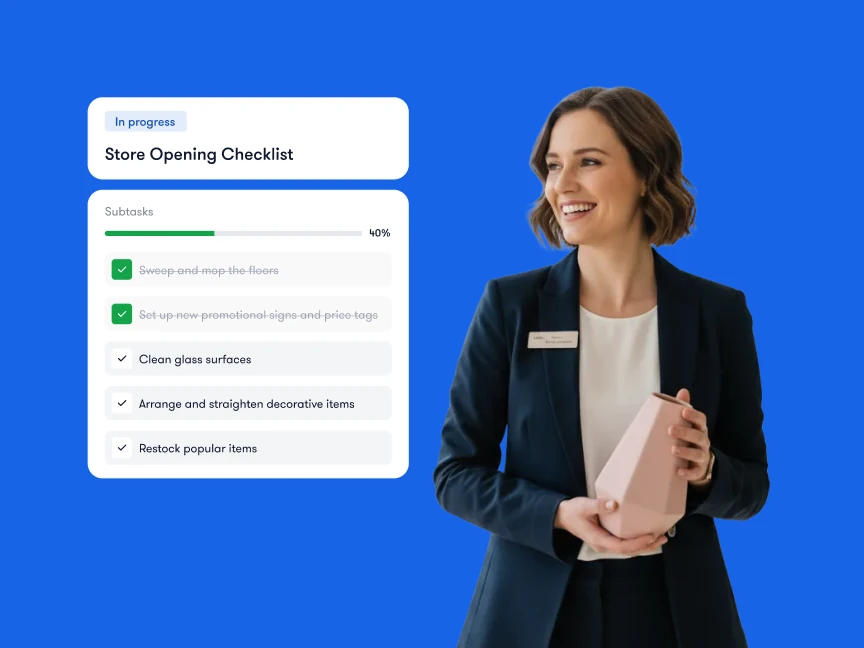
Every effective retail store checklist starts with the basics – consistent daily execution. Whether you run a flagship store or a small boutique, operational discipline is essential. A standardized retail store opening checklist ensures consistency and creates accountability across shifts. At the same time, it lays the foundation for a smooth customer experience. Let’s break the day into three phases – opening, mid-day, and closing – each with its own key tasks.
Opening Procedures: Setting the Stage for a Productive Day
A structured retail store opening checklist not only prepares your team for the day ahead but also minimizes risk and maximizes readiness for customer traffic. Here are the essential steps for opening:
Unlock all entrances and deactivate security alarms.
Verify and set up cash drawers, ensuring float amounts match records.
Power on and test POS systems, receipt printers, and barcode scanners.
Turn on lighting, HVAC, and music systems – check for comfort and ambiance.
Inspect entrance mats and exterior for cleanliness and debris.
Activate all digital and physical signage, including promotional displays.
Conduct a quick walk-through to spot maintenance or safety issues.
By clearly documenting each opening task and requiring time-stamped sign-off, you reduce missed steps and create a vital audit trail for shift accountability.

Mid-Day Operational Tasks: Keeping Momentum
Smooth operations don’t stop after opening. Instead, they must continue throughout the day. A strong daily retail store checklist includes mid-day routines that keep your shop running efficiently:
Restock fast-moving items and popular SKUs to avoid out-of-stocks.
Monitor foot traffic and adjust staffing as needed for busy periods.
Check fitting rooms for cleanliness, returned merchandise, and potential theft.
Process returns and exchanges with proper documentation.
Hold quick team huddles to discuss priorities, sales targets, and customer feedback.
Recording these checks supports better decisions. As a result, you gain useful data for task management and audits.

Closing Procedures: Securing Your Store and Preparing for Tomorrow
Closing is just as important as opening. Therefore, a clear checklist ensures security, accuracy, and readiness for the next day:
Reconcile all cash drawers and prepare end-of-day POS reports.
Secure cash deposits in the safe or follow bank drop protocol.
Clean and sanitize sales floor, fitting rooms, and high-touch surfaces.
Restock shelves and face products for a fresh start the next morning.
Activate security systems and lock all entrances and exits.
Complete closing checklist documentation, including photos if required.
Documenting these routines with time-stamped task completion not only creates accountability but also forms an essential part of your store audit checklist template – providing a defensible record for compliance and performance tracking.

Visual Merchandising and Store Presentation Checklist
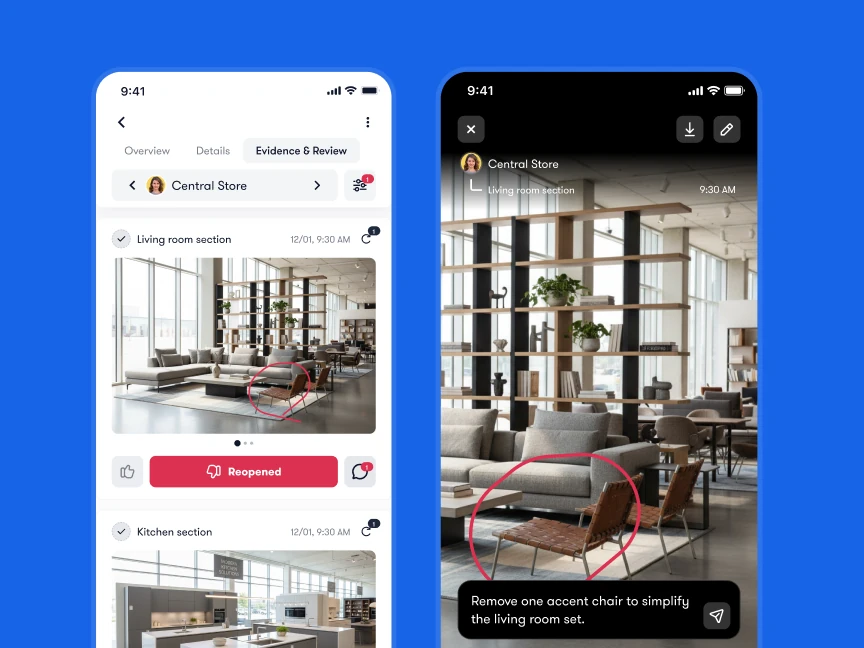
First impressions matter. Therefore, visual merchandising plays a key role in retail success. A checklist-based approach helps turn presentation into a consistent process.
Storefront and Window Displays
Your storefront is your first point of contact with customers. Therefore, your checklist should include:
Keeping window displays clean and up to date.
Checking signage for damage and visibility.
Ensuring entrance areas are safe and clean.
Testing lighting for visibility.
Removing clutter from outside areas.
These steps make your store inviting and boost walk-in traffic – essential for both brick-and-mortar and omnichannel strategies.

In-Store Layout, Signage, and Product Placement
Once customers enter, your store should guide and support their journey. In addition, it should make shopping simple and enjoyable:
Verifying planogram compliance and shelf organization.
Ensuring price tags are accurate and visible.
Maintaining wide, clutter-free aisles and accessible product displays.
Keeping fitting rooms tidy and ready for use.
Managing sensory elements – music, scent, and lighting – for brand alignment.
Regular visual audits ensure your standards are consistently met and issues are caught before they impact the customer journey.

Seasonal and Promotional Display Updates
Retail thrives on novelty, so your retail operations checklist should include:
Planning and scheduling seasonal window and interior display changes.
Building and positioning promotional endcaps per marketing calendars.
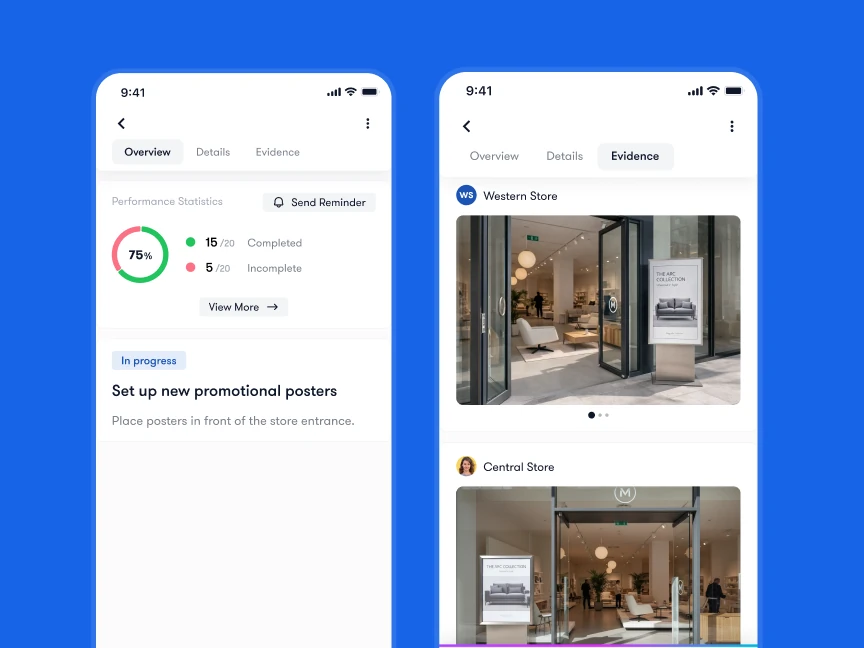
Verifying all promotional signage and pricing is correct and compliant.
Documenting each display update with photos and checklist sign-off.
According to NRF’s 2026 retail trends, stores that refresh displays in sync with campaigns experience higher conversion rates and shopper engagement. Checklist-driven merchandising is proven to drive results – and keeps your store looking fresh, relevant, and on-brand.
Inventory Management and Loss Prevention Checklist
Inventory is the lifeblood of any retail business, but poor stock control leads to out-of-stocks, shrinkage, and lost revenue. A robust inventory management checklist – embedded within your broader retail store checklist – enables proactive stock management and loss prevention.
Stock Level Monitoring and Replenishment
Daily and weekly inventory checks are crucial for both sales and customer satisfaction. Your store audit checklist template should include:
Counting stock on high-velocity SKUs each morning and afternoon.
Reviewing on-shelf availability and restocking as needed.
Organizing backroom inventory for quick access and minimal errors.
Verifying reorder points and placing orders before stockouts occur.
Flagging and investigating dead stock or slow movers for clearance.
Accurate stock levels are directly tied to higher conversion rates and fewer walkouts – Parker Avery Group research shows that out-of-stocks are a leading reason for lost sales.
Receiving and Quality Control Procedures
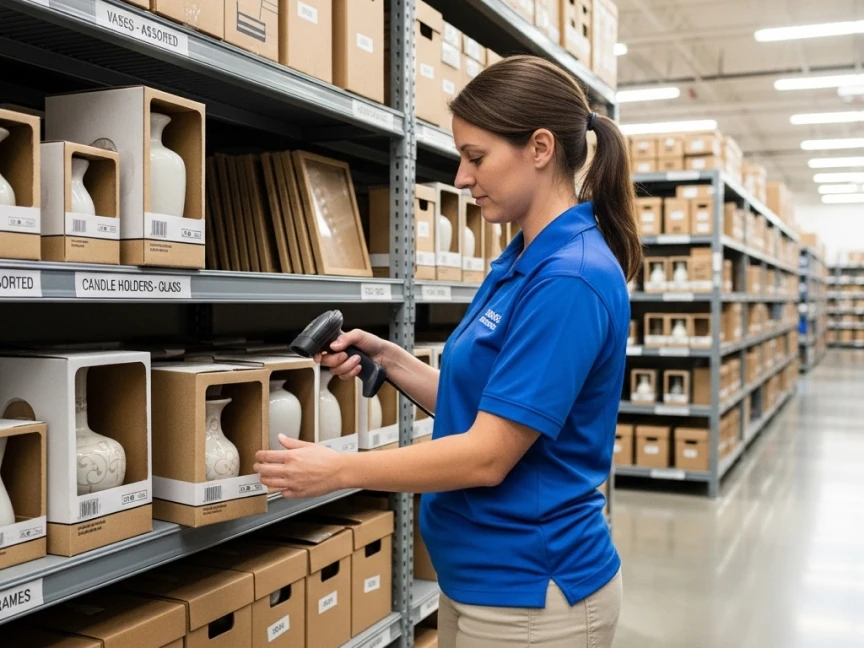
Every shipment represents both opportunity and risk. To avoid costly mistakes and shrinkage:
Verify shipments against purchase orders upon delivery.
Inspect merchandise for damage, expiration dates, or discrepancies.
Label items immediately and enter them into the inventory system in real time.
Document any issues, shortages, or overages for follow-up.
Store new stock in the correct backroom locations for easy retrieval.
Digitizing this process with photo evidence and instant system updates strengthens your audit trail and supports rapid corrective action.

Shrinkage Prevention and Loss Control Measures
Loss prevention is a team sport. Include these checks in your retail store audit checklist:
Test security systems regularly.
Check anti-theft devices.
Follow employee policies.
Ensure correct cash handling.
Record incidents immediately.
Comprehensive loss prevention routines not only reduce shrinkage, but also build a culture of vigilance and compliance. When inventory management is part of your holistic retail audit program, you gain full visibility into trends and recurring issues – fueling continuous improvement.

Staff Management, Compliance, and Continuous Improvement Checklist
Even the best systems fail without strong teams. Therefore, staff management is essential.
Employee Scheduling, Training, and Performance
Your shop management checklist should include:
Verifying schedule coverage for all roles and anticipated traffic surges.
Checking uniform and grooming standards for every team member.
Conducting daily briefings to align on goals, upselling targets, and service expectations.
Tracking sales KPIs, customer service scores, and upsell rates for each employee.
Logging completed training modules and on-the-job coaching sessions.
These measures foster accountability, boost morale, and drive better customer interactions – key to maximizing every in-store opportunity.

Regulatory Compliance and Safety Checks
Non-compliance can be costly. Your daily retail store checklist should cover:
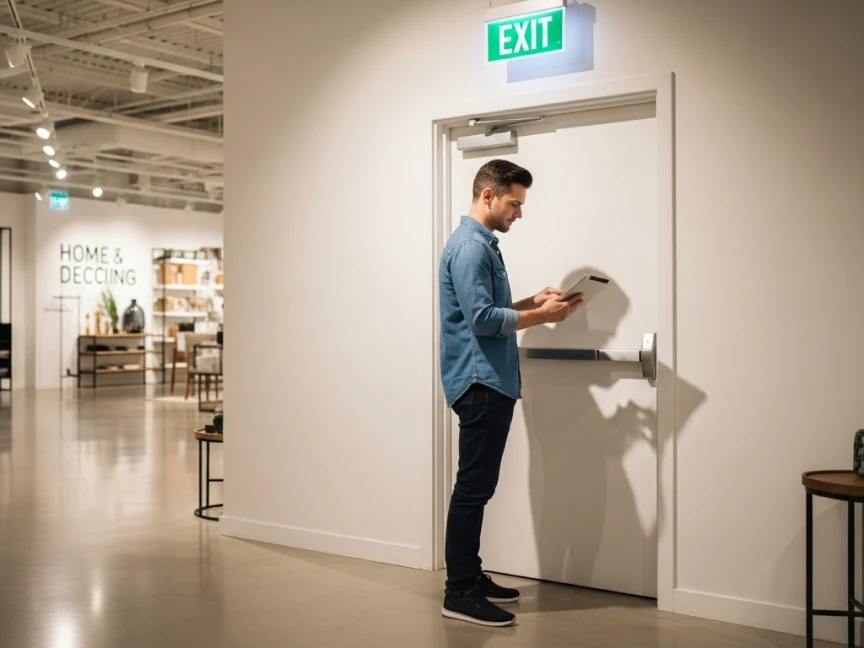
Inspecting fire extinguishers, emergency exits, and first aid kits for readiness.
Ensuring ADA compliance (ramps, signage, accessible fitting rooms, etc.).
Displaying required health and safety signage.
Verifying food handling certifications and sanitation procedures (if applicable).
Reviewing data privacy and payment security protocols.
Regular safety and compliance checks reduce liability, ensure regulator confidence, and protect your brand reputation.
Using Checklists for Continuous Improvement and Retail Audits
The real value of a digital checklist is the data it creates. As a result, you can identify patterns, track improvements, and support better decisions. In addition, it helps connect daily tasks with broader retail audits. For the formats that work best, see these five types of digital retail operations checklists.
Spot recurring issues and root causes across locations or shifts.
Track operational improvement over time and benchmark against best practices.
Feed insights directly into formal retail audits for a holistic view of store performance.
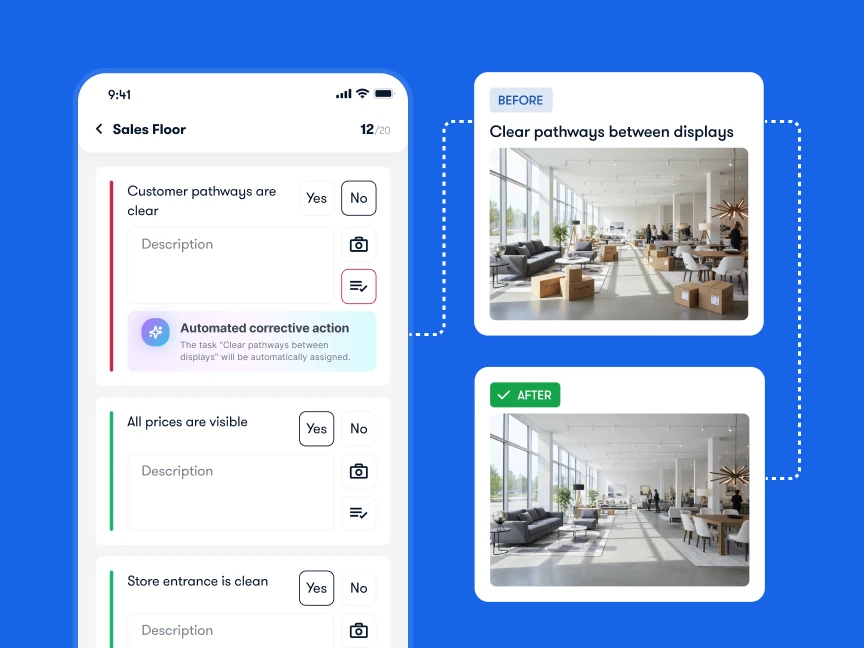
Transition from paper-based checklists to digital, real-time visibility with platforms like Bitreport’s audits and checklists solution.
Enable multi-location oversight and corrective action from a centralized dashboard.
This structured, data-driven approach transforms retail management from reactive to proactive – empowering teams, reducing errors, and driving results.
For a deeper dive into how digital checklist tools can elevate your retail audit process and drive real operational impact, explore our comprehensive retail audit guide. You can also learn from real-world success stories – like how we helped Leggiero streamline and accelerate both their audit and post-audit processes by up to 90%, enabling faster insights, quicker issue resolution, and more efficient operations overall.
Audit solutions with automatic corrective measures empowers retailers to digitize, standardize, and scale checklist-based operations across every location.
Take control of your operations, before chaos takes control of you.
Conclusion
A well-designed retail store checklist is more than a daily to-do list. Instead, it is a key tool for operational success, better customer experience, and business growth. By combining daily routines, inventory control, and staff management, you create a consistent and reliable store operation. For the leadership side of running a store, see our tips on how to manage a retail shop.
When these processes are digitized, they become even more powerful. Therefore, tools like Bitreport help you standardize, track, and improve performance across all locations.