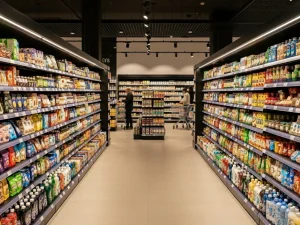
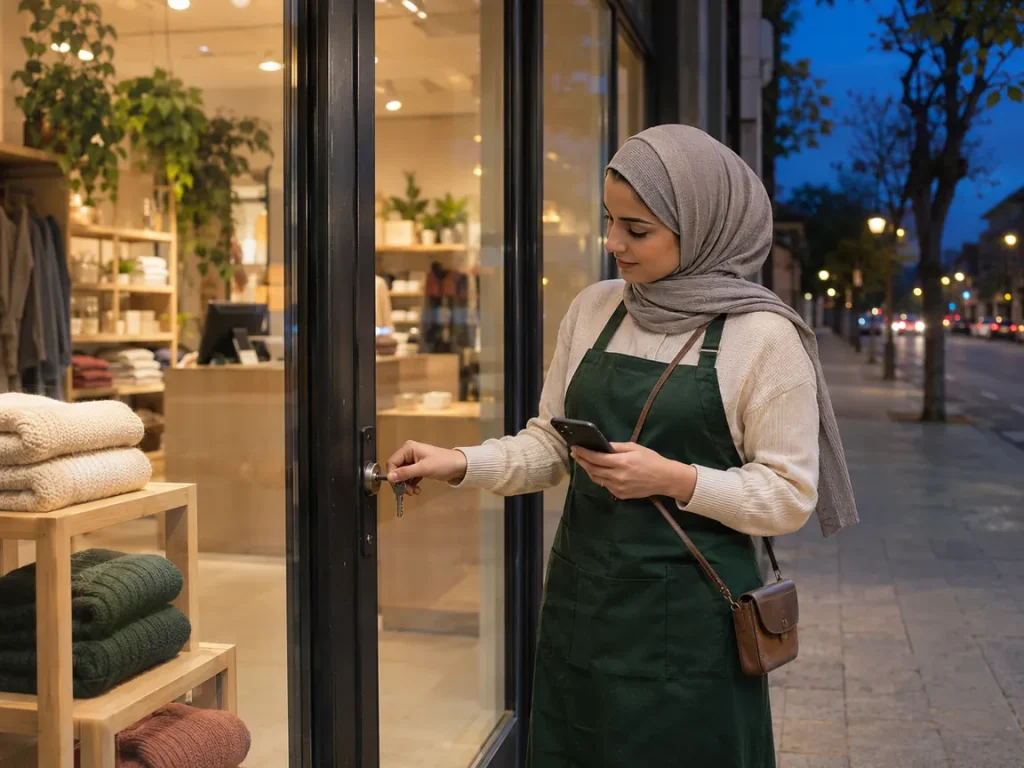
A retail store opening and closing checklist is usually written as two separate lists: one for the person who unlocks the doors and one for the person who locks them. That split causes most of the trouble. What the opener finds at 8:00 AM was settled by the closer at 9:30 PM the night before, and if the closer’s last checks left no record, the opener starts the day guessing.
This guide treats the two lists as one loop. The closer records the state of the store, the opener confirms it, and any mismatch becomes a named task instead of a surprise. It covers the six areas that store opening and closing procedures must include, the places where closing and opening depend on each other most, the checks that never slip when a shift is short-staffed, and how to run the same routine across several stores. The free PDF and editable spreadsheet are right after the first table.
The six areas of a retail store opening and closing checklist
Every closing check has a matching opening check. In the table, the middle column is what the closer leaves behind and the right column is what the opener confirms before the doors open. “Leaves” means a record, not a memory: a tick, a time, a number or a photo.
| Area | The closer leaves | The opener confirms |
|---|---|---|
| Doors and alarm | Doors locked, alarm set, time written down | Locks and alarm as left; first walk finds no forced entry, leaks or damage |
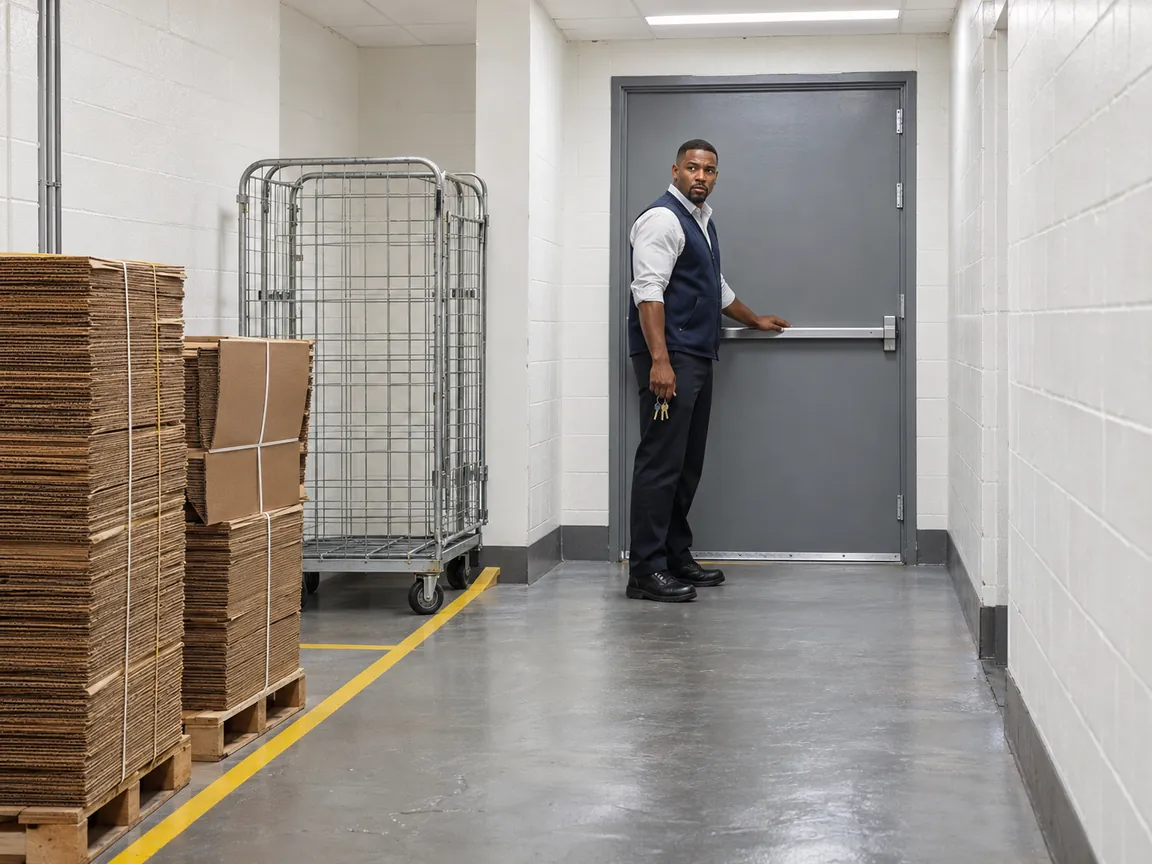
| Exit routes | Routes clear after the last delivery; exit doors shut | Routes still clear; every exit door opens from inside without a key |
| Cash and cards | Takings counted, recorded and secured; end-of-day POS report saved | Float counted and recorded under company procedure |
| Sales floor | Stock back on shelves and rails; fitting rooms and restrooms checked | Floor clean and dry; gaps filled; labels and promo signs match today’s offers |
| Lights, equipment and POS | Equipment and extra lights off; heating or cooling set for the night | Lights, heating or cooling and music set; POS and card terminals tested |
| Open issues | Note listing issues, deliveries and promo changes, each with an owner | Note read before the briefing; every open item has an owner and a time |
A retail store closing checklist covers six areas: doors locked and alarm set, exit routes clear, takings counted and secured, the floor reset, equipment and extra lights off, and a note for tomorrow. A retail store opening checklist covers the same six areas, confirmed against what the closer left.
Mark each item Pass, Fail or N/A. Every Fail goes into one issues list with an owner, a due date and, where it helps, a photo. Between opening and closing, the same areas get a short check at agreed times, for example late morning and mid-afternoon.

Exit routes: clear at night, clear in the morning
In the US, OSHA’s exit-route standard says exit routes must be free and unobstructed, and that no materials or equipment may be placed in them, “either permanently or temporarily” (29 CFR 1910.37). The last jobs of the evening, such as putting away a delivery or taking out cardboard, are where a pallet or a trolley ends up in the route for the night, so the closer checks the route after those jobs, not before. Local fire codes can add to this.
Doors are covered by a second OSHA standard (29 CFR 1910.36). In the US, employees must be able to open an exit route door from the inside at all times without keys, tools or special knowledge, and OSHA’s example of an allowed setup is a panic bar that locks only from the outside. A back door can be locked from the outside, as long as anyone inside can still open it without a key. So the opener tests each exit door from the inside first, then checks that the exit lighting and fire doors are working, because OSHA requires safeguards such as alarm systems, fire doors and exit lighting to be in proper working order at all times.
Cash and the float: where closing hands over to opening
At the register, the handover is a number. Lightspeed’s help page on opening and closing a register says that recording the start and end of each trading day makes discrepancies easier to catch. Square’s cash drawer sessions show the starting cash, cash sales, refunds, cash paid in and out, and the expected cash, and closing a drawer records the actual amount.
The closer counts the drawer, records the count and secures the takings under the store’s cash procedure. The opener counts the float before the first sale and records it. If your procedure leaves a float overnight, the closer writes the amount in the closing note and the opener counts against that figure, so a difference shows up before the first customer, not at the next close.
At close, a register system compares the cash counted with the cash it expects, which is the starting float plus cash sales and cash paid in, less cash refunds and cash paid out. The number to write down is the gap:
Cash difference = counted cash − expected cash
A negative result is a shortage and a positive one an overage. Record it whichever way it goes, with the time and the name of the person who counted, and never change sales figures to make the drawer agree.
The closing note: what the opener reads first
The closing note is the one record that crosses the night. It does not repeat the checklist. It lists what the opener cannot see by walking in: issues still open, deliveries that arrived but were not put away, promotion changes for the morning and anything the closer skipped.

Each line needs the same four things: what and where, who owns it, when it is due, and a photo when a picture saves a conversation. “Fitting room 2 light flickers” is an observation. “Fitting room 2 light flickers, repair requested, store manager, Thursday 10:00 AM” is a task. The issues table at the end of our template has a column for each.
For a handover between two shifts on the same day, use our retail shift handover checklist. The closing note is the same idea at the day boundary, with one difference: the reader arrives hours later and usually cannot ask the writer anything.
What never slips when the shift is short-staffed
Some nights one person has to close a store that normally takes two. Four checks stay even then: doors locked and alarm set, exit routes clear, takings counted and secured, and the closing note written. Everything else, such as floor recovery, restocking and sign changes, can move to the opener or the next shift, but only as a line in the note with an owner and a time.
Decide this in advance, because a rushed closer will otherwise choose by convenience. Anything moved to the opener needs the manager on duty’s agreement and a line in the note. Each of the four checks that stay leaves one piece of proof:
Doors and alarm: the time they were locked and set
Exit routes: a photo of the back corridor, or a tick from the closer
Cash: the count and the amount secured
The closing note: every skipped item, with an owner and a time
Doors and cash have outside support too. OSHA’s recommendations for late-night retail are advisory, not a standard, but they say employers should require doors to be kept locked before and after business hours, doors used for deliveries and garbage removal to be locked when not in use, and only a minimal amount of cash to be kept in each register (OSHA 3153).
Running the routine across several stores
A routine becomes a standard when every store runs the same core and someone can see the results. Keep one shared list for the six areas and let each store add its own lines below it, such as a fitting-room check or a cold-chain item. Put three names on every sheet: who opened, who closed and which manager reviewed it. When a Fail repeats, you then know whose shift to ask.
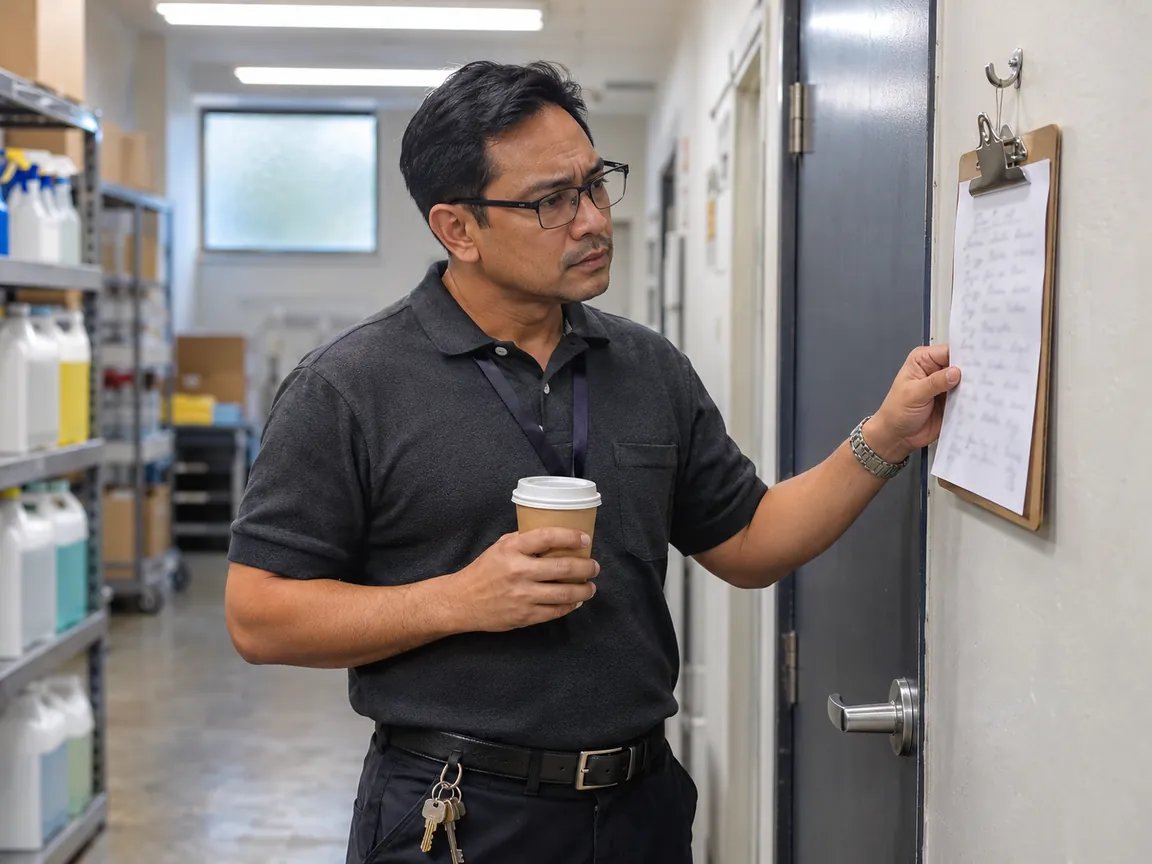
Review exceptions, not ticks. A week of green checkmarks tells an area manager little, while a list of Fails still open after their due time says where to go first. Tag each opening Fail as either “left from last night” or “new overnight”. If most are left from last night, the fix belongs in the closing routine, not in the opener’s morning.
Opening and closing are only two of a store’s routines. Our retail store checklist covers the others, and our guide to digital retail operations checklists shows how to run them in an app instead of on paper.
Bitreport can run this routine as recurring workflows: every store gets the same checklist on the same schedule, staff confirm each step and add a photo where proof matters, and the area manager sees which stores finished and which did not. A reviewer can mark up a photo and send it back until it shows what is needed. To see how it looks across locations, book a Bitreport demo.
Frequently asked questions
What goes on a retail store opening and closing checklist?
A retail store closing checklist covers six areas: doors locked and alarm set, exit routes clear, takings counted and secured, the floor reset, equipment and extra lights off, and a note for tomorrow. A retail store opening checklist covers the same six areas, confirmed against what the closer left.
Which closing checks should never be skipped when the shift is short-staffed?
Some nights one person has to close a store that normally takes two. Four checks stay even then: doors locked and alarm set, exit routes clear, takings counted and secured, and the closing note written. Everything else, such as floor recovery, restocking and sign changes, can move to the opener or the next shift, but only as a line in the note with an owner and a time.
Can a store lock its back exit door when it closes?
In the US, employees must be able to open an exit route door from the inside at all times without keys, tools or special knowledge, and OSHA’s example of an allowed setup is a panic bar that locks only from the outside. A back door can be locked from the outside, as long as anyone inside can still open it without a key. Local fire codes can add to this.
How do you keep opening and closing consistent across several stores?
Keep one shared list for the six areas and let each store add its own lines below it, such as a fitting-room check or a cold-chain item. Review exceptions, not ticks. A week of green checkmarks tells an area manager little, while a list of Fails still open after their due time says where to go first.