
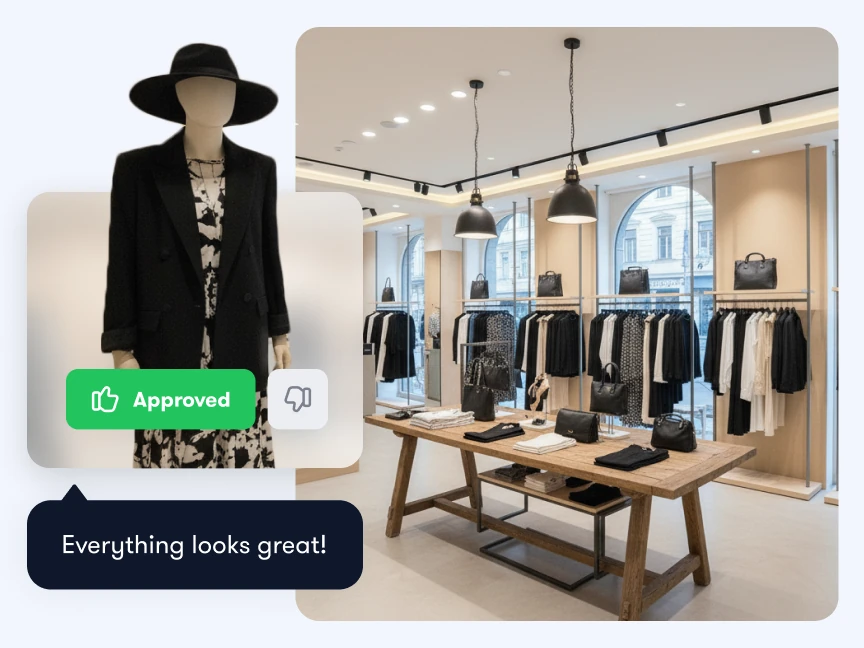
Imagine this: you’ve just opened your third store. Sales are up, but suddenly you’re spending more time chasing inventory, fixing scheduling conflicts, and piecing together reports than actually running your business. Sounds familiar? That’s where retail operations software changes the game.
Read: The Complete Guide to Retail Operations
The right tool can simplify your workflows, give you real-time insights, and keep multiple store locations running smoothly without the constant headaches.
We’ve rounded up the 7 best retail operations software tools in 2025 to help you decide which one fits your business best.
1. Bitreport
When managing multiple retail or hospitality locations, chaotic workflows (think Excel sheets, WhatsApp groups, and verbal instructions) are the norm. But they don’t have to be.
Bitreport replaces the chaos with a mobile-first operations platform that ensures every store executes flawlessly every single day, without overcomplicating things.
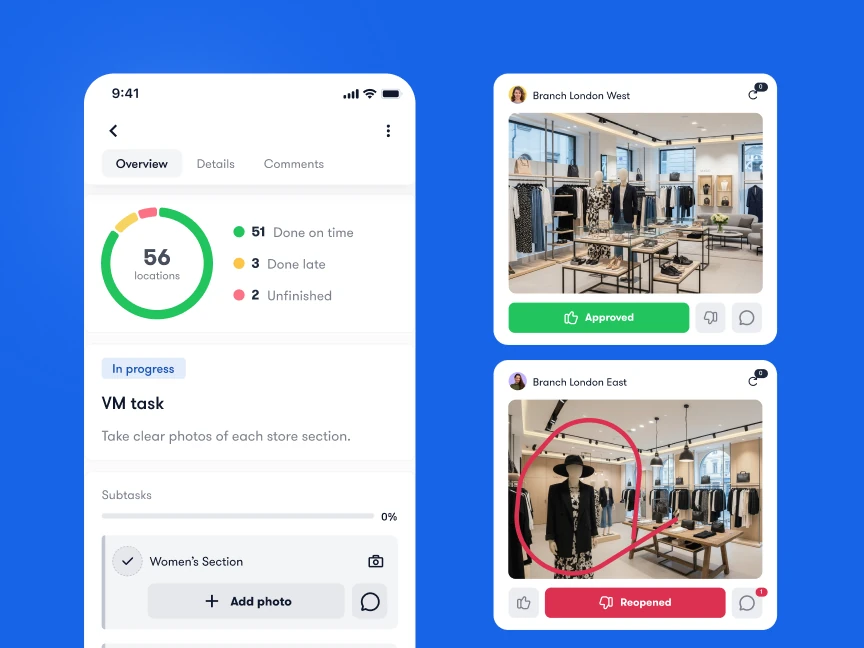
What Sets Bitreport Apart?
Multi-location visibility – see performance across all stores in real time.
Task management – assign, schedule, and track daily or campaign-based tasks so nothing slips through the cracks.
Smart audits – digitize checklists, flag issues instantly, and trigger corrective actions automatically.
Incident reporting – staff can log problems with photos and geolocation, while managers track resolution end-to-end.
Accountability & transparency – clear audit trails and task ownership mean managers know exactly what’s done (and what isn’t).
Mobile-first access – frontline teams handle tasks, audits, and reports directly on their phones.
Faster problem-solving – automate escalations for missed or overdue tasks, reducing delays.
Consistency at scale – ensure every store delivers the same customer experience, whether you have 3 locations or 300.
2. Oracle NetSuite
Oracle NetSuite is one of the most comprehensive retail operations platforms available. It goes beyond day-to-day task management by combining ERP, financials, CRM, supply chain, and e-commerce into a single system. This makes it especially powerful for retailers with complex, global operations that need a unified source of truth.
NetSuite can handle everything from multi-location inventory to advanced forecasting, and it offers endless customization through modules and integrations.
The main drawback is its complexity – implementation can take months, and teams often require dedicated training to fully unlock its potential, which makes it less practical for smaller or fast-moving retailers.
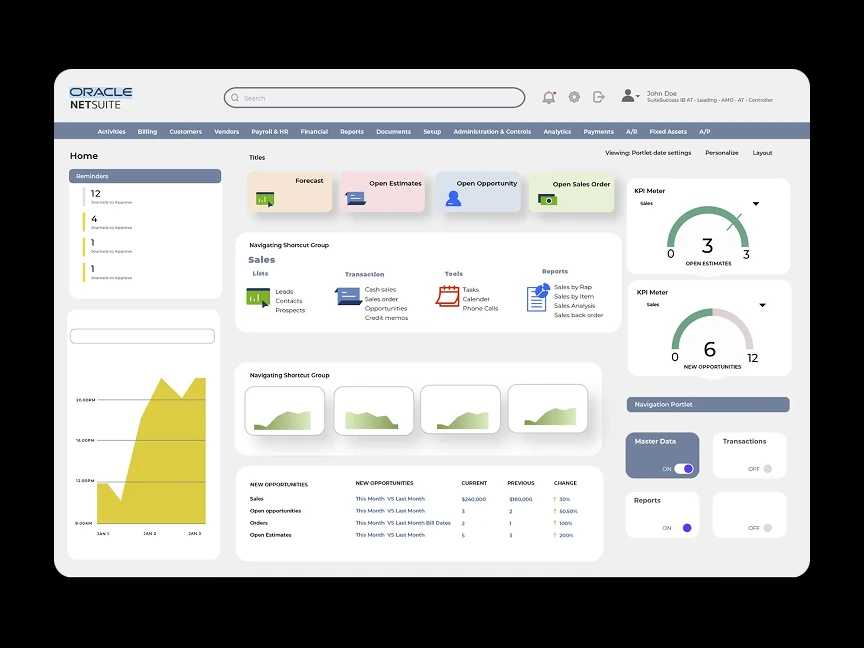
Image source: ERP Buddies – Oracle NetSuite ERP
3. Lightspeed Retail
Lightspeed Retail is designed for growing retailers who want a modern POS system that doubles as a retail operations hub. It provides real-time inventory tracking across multiple locations, supplier management tools, and powerful analytics that help teams make smarter merchandising and staffing decisions.
Beyond operations, Lightspeed also includes loyalty programs, marketing integrations, and omnichannel sales capabilities, making it appealing to customer-focused brands. Its detailed reports, like GMROI and sell-through rates, give managers the insights they need to reduce waste and increase profitability.
On the flip side, the platform comes with a higher price tag than many alternatives and users often mention occasional glitches and inconsistent customer support.
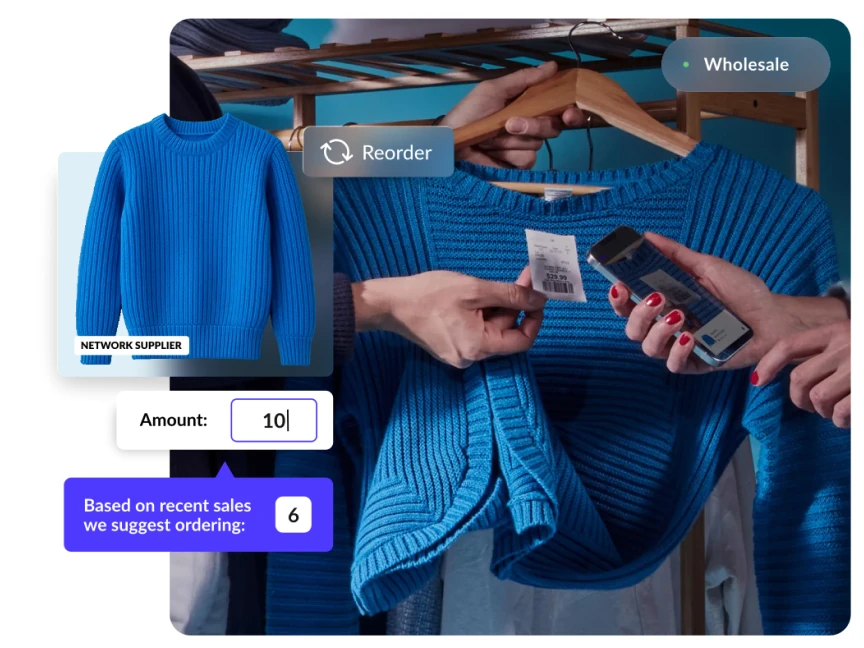
Image source: Lightspeed – POS & Payments Platform
4. Zoho Inventory
For small and mid-sized businesses, Zoho Inventory offers a strong balance between affordability and functionality. It makes order management easy by syncing directly with e-commerce platforms such as Amazon, Shopify, and eBay, and it simplifies warehouse management with barcode scanning and automated shipping updates.
Retailers can automate reorders, receive low-stock alerts, and streamline vendor communication, which saves valuable time for smaller teams. Zoho’s integration with the broader Zoho ecosystem is also a plus for companies already using tools like Zoho CRM or Zoho Books.
The main limitation is that its lower-tier plans don’t include advanced features like multi-warehouse support or deep reporting, which means growing businesses may need to upgrade sooner than expected.
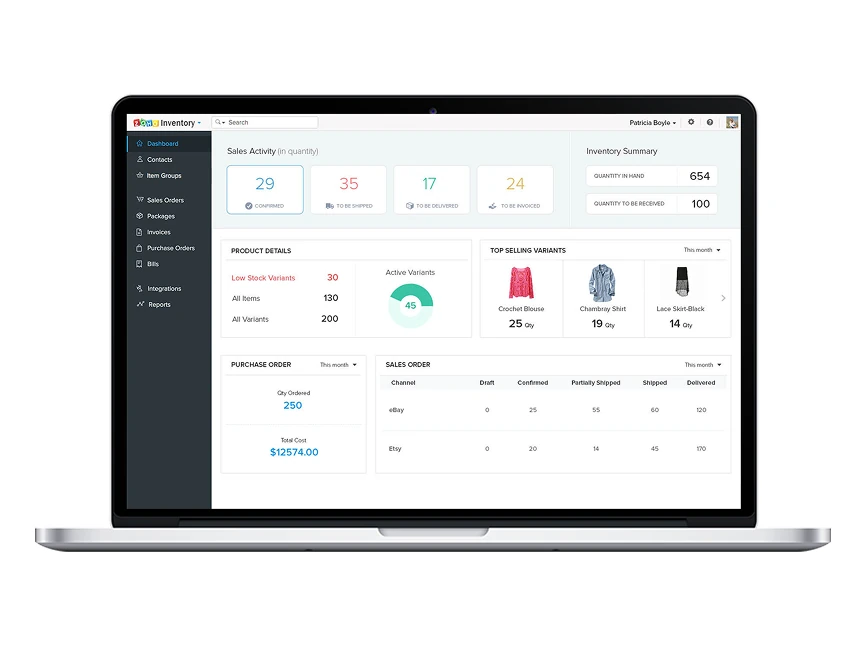
Image source: Zoho Inventory
5. Microsoft Dynamics 365 for Retail
Microsoft Dynamics 365 is an enterprise-grade platform that connects the dots across supply chain, workforce, sales, and customer experience. Retailers can use it to manage everything from inventory replenishment to staffing schedules, while leveraging AI-driven analytics to optimize demand planning and performance forecasting.
It also integrates seamlessly with other Microsoft products like Power BI, Outlook, and Teams, which is a big advantage for companies already invested in the Microsoft ecosystem. Dynamics 365’s unified commerce features make it especially useful for omnichannel retailers that want consistent execution across online and in-store operations.
The trade-off is that the system can feel overwhelming for smaller businesses, and it often requires outside consultants or IT support to configure properly.
6. Vend by Lightspeed
Vend focuses on making POS and inventory control simple and effective for retailers managing several stores. It centralizes product catalogs and pricing, provides real-time visibility into stock across locations, and lets managers set staff permissions to keep operations secure.
Retailers appreciate its intuitive interface, which is easier to onboard than some of the more complex retail operations platforms. Vend also integrates with accounting tools and e-commerce platforms, making it a flexible choice for growing businesses.
However, since Vend is now under the Lightspeed umbrella, some users have reported occasional bugs, migration challenges, and slower support responses compared to standalone systems.
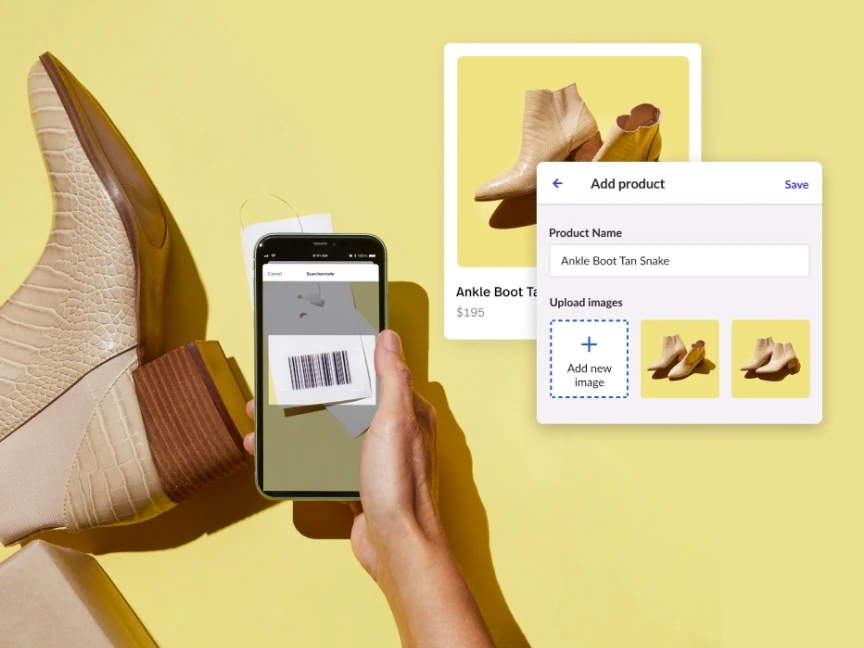
Image source: Vend – Lightspeed
7. Square for Retail
Square for Retail is built for smaller shops and boutiques that want a lightweight solution with strong retail functionality. It combines Square’s well-known payments system with inventory management, barcode scanning, and automated purchase orders, making it easy to stay on top of stock without dedicated back-office staff.
The software also includes CRM features, loyalty programs, and marketing tools that help smaller retailers build stronger customer relationships. Paired with Square’s mobile hardware, store teams can handle sales, manage inventory, and track tasks on the go.
The downside is that Square’s higher transaction fees can eat into margins, and its limited customization options mean it isn’t always the best fit for scaling or enterprise-level retailers.

Image source: Korona POS – Square for Retail
Wrapping Up
Choosing the right retail operations software depends on your size, needs, and goals.
Large enterprises may gravitate toward NetSuite or Dynamics.
Growing retailers might prefer Lightspeed or Vend.
Smaller shops can get a lot of value from Square or Zoho.
But if you’re managing multiple locations and want a tool that’s clear, collaborative, and designed for retail and hospitality – Bitreport is the one to watch.
Interested in streamlining your operations?