

Running a successful retail business is all about mastering the details behind the scenes.
With so many moving parts, from inventory, staff culture, to daily routines, it’s clear that relying on instinct simply doesn’t cut it.
Read: The Complete Guide to Retail Operations
Streamlined, well-managed operations are the key to keeping stores efficient and customers satisfied, even when the activity isn’t visible to the naked eye.
In this blog, we’ll break down major activities of retail operations management and showcase six real-life examples of companies who get it right. Each one offering a practical insights you can use to take your own retail operations to the next level.
What Is Retail Operations Management?
To put it simply, it’s everything that happens behind closed doors. Be it inventory management, staff scheduling or financial monitoring. Every activity that goes into retail should be monitored and managed accordingly.
The main goal of retail operations management is to make sure that every store runs smoothly throughout the day.
Main activities included in retail operations are:
Inventory management – organizing products throughout the distribution chain
Customer service – train staff to deliver excellent shopping experience and deal with complaints
Staff management – hiring, training, scheduling and reviewing staff performance
Financial performance monitoring – tracking right retail KPIs and financial metrics
Sales performance – setting sales goals, optimizing sales processes, and tracking transaction performance
Store management – standardizing opening and closing procedures, maintaining cleanliness and organizing daily workflows
Let’s jump into companies who excel in certain aspects of retail management.

Optimize Inventory Management
Example: Walmart
Walmart has turned inventory management into a competitive edge. Instead of manually monitoring every product, they adopted a vendor-managed inventory model, where suppliers get direct access to sales and stock data. This allows suppliers to handle restocking, while Walmart benefits from lower costs and fewer stockouts.
Why it works:
Minimizes delays across supply chains using just-in-time (JIT) methods
Cuts inventory carrying costs (about 15%)
Minimizes losses from changing demand
How to apply it:
Even if you’re not Walmart, you can automate stock alerts, set reorder thresholds, and use digital tools that sync sales and inventory data in real time. That way you aren’t guessing – you’re responding.

Image source: Chain Store Age (CSA) – Walmart
Focus on Customer Support
Example: Apple
Apple is known for pushing the limits of customer service. One story? A customer had their MacBook replaced a whopping three times in two weeks, without hassle, paperwork, or hidden fees. Apple staff simply fixed the issue, no questions asked.
That type of service isn’t just a coincidence, it’s a part of long term strategy. Apple trains their staff on people as much as on technical skills.
Why it works:
Creates loyal and repeat customers
Promotes word-of-mouth across platforms
Strengthens brand reputation
How to apply it:
Don’t train staff just on what to do. Train them on how to listen. Give your employees a simple decision-making authority so they can solve issues quickly without endless approvals.

Image source: Metalocus – Brompton Road Apple store
Sharpen Employee Training
Example: Trader Joe’s
Trader Joe’s stands out because of who they hire and how they train. Instead of hiring for technical skills only, they focus on personalities—friendliness, positivity, and curiosity. The technical side (like stocking or cashiering) is easy to teach.
On top of that they offer great benefits and workshops to keep employees motivated and satisfied – 6% bonus of Trader Joe’s earnings from the previous year, mentorship programs, and fun competitions that reinforce product knowledge.
Why it works:
Cultural-fit hiring reduces turnover
Cross-training improves scheduling agility and coverage
Gamified learning boosts product expertise and morale
How to apply it:
Prioritize hiring for attitude and cultural fit over technical skills. Invest in ongoing training programs that combine mentorship with gamified learning activities to boost product knowledge and keep your team engaged and motivated.
🚀 Pro tip! Use digital tools like Bitreport for quick onboarding and employee training without messy documents and constant questioning.
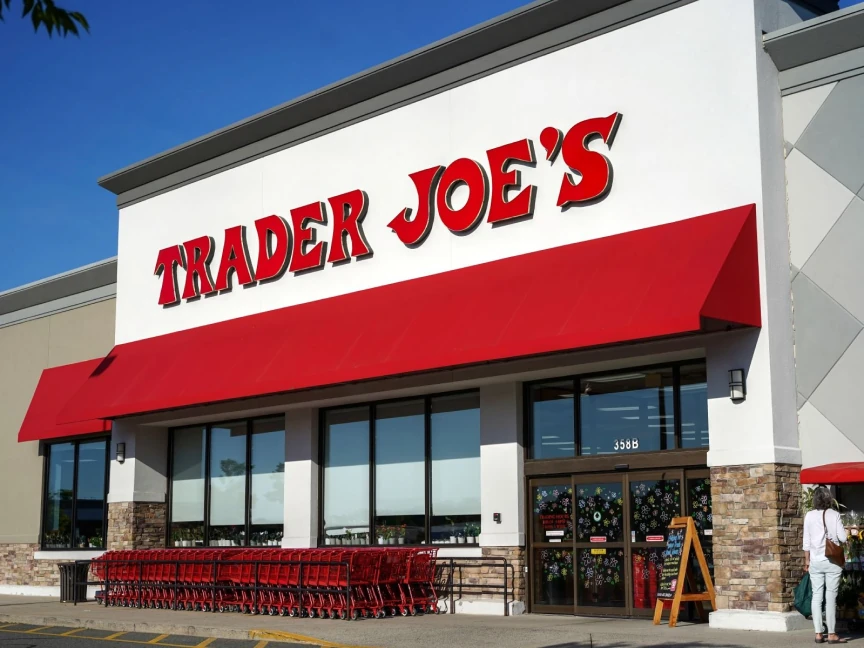
Image source: ContactPigeon – Trader Joe’s Marketing Strategy
Financial Tracking That Drives Decisions
Example: The Home Depot
With more than 2,300 locations, Home Depot maintains razor-sharp control over its financial performance by integrating real-time financial dashboards directly into store operations.
In dashboards, managers track daily sales, payroll, and expense metrics, and then compare them against targets. Deviations get caught immediately, not weeks later.
It looks simple, but the impact is huge: consistently profitable stores, minimized waste, and smoother forecasting.
Why it works:
Aligns daily decisions with financial targets through real-time visibility
Enables quick corrective action when costs spike
Standardizes processes to reduce human error
How to apply it:
You don’t need to manage 2,000 stores to adopt this mindset. You can start by reviewing key sales and cost metrics daily and keep dashboards visible so your team learns to make every financial decision with full context.
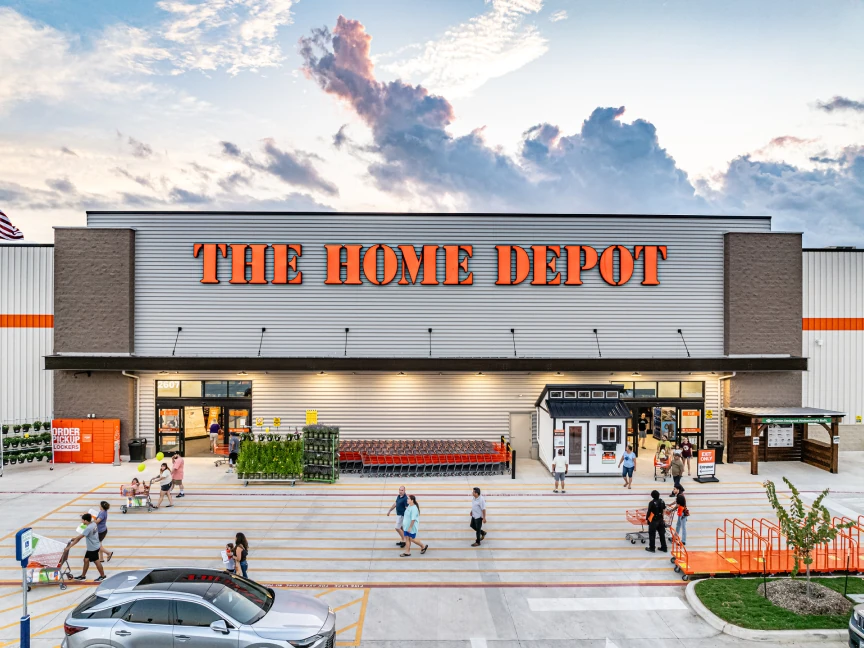
Image source: MG2 – The Home Depot
Sales Excellence Through a Unique Retail Model
Example: Tesla
Tesla shook the auto industry by skipping dealerships altogether.
Their direct-to-consumer (DTC) business model enables them to control pricing, inventory, and customer engagement, which has driven higher closing rates and improved after-sales service.
A report from 2023 showed that each distributor in California lost on average $700,000 of gross profit, because of Tesla’s move.
Why it works:
Uses real-time sales data to adjust strategy quickly
Eliminates middlemen to optimize revenue
Cutting costs by innovating the market
How to apply it:
Think about ways to cut out friction in your customer journey. Can you sell directly online? Bundle services with products? Streamline checkout to remove unnecessary steps?

Image source: Shop4Tesla – Tesla Cybertruck showroom in Berkeley
Store Management as a Base to Retail Operations Management
Have you ever thought about turning your stores into more than just shopping destinations? That’s exactly what Target has done with its innovative “stores-as-hubs” strategy.
Customers get convenience, while Target increases efficiency.
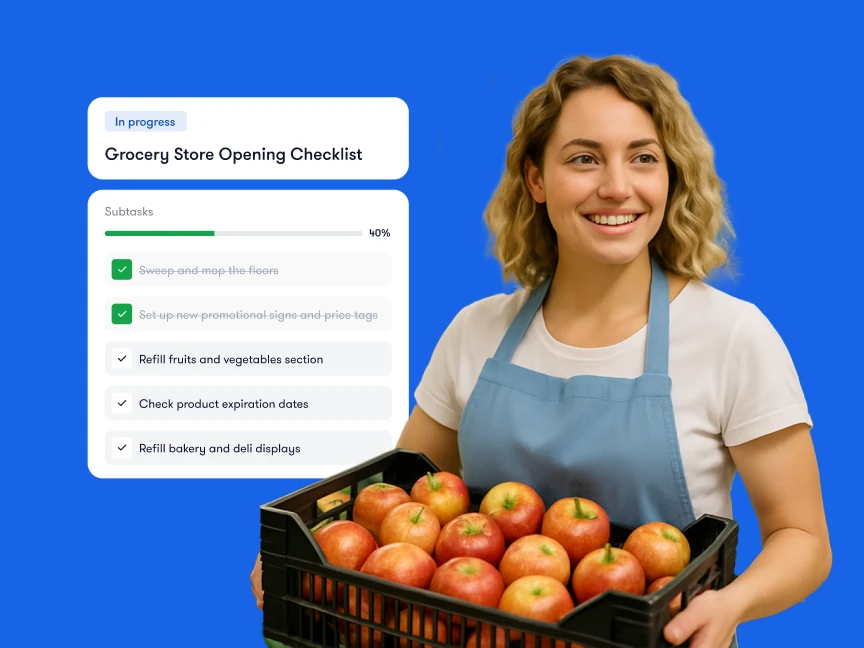
They’ve paired this with standardized routines, like opening/closing checklists, cleaning protocols, and mobile apps that track tasks storewide, to keep operations seamless and consistent across all locations.
Beyond fulfilling online orders, Target invests continually in integrating advanced technology and refining daily store workflows – standardizing opening and closing procedures, maintaining strict cleanliness standards, and using digital tools to manage and track store tasks efficiently. This ensures operational consistency across locations and keeps stores inviting and well-organized regardless of shifting demand.
Why it works:
Integrates physical and digital retail to reduce costs
Uses standardized workflows for store compliance
Enables real-time monitoring and quick issue resolution across all stores
How to apply it:
Create standardized daily workflows and checklists for your stores, covering everything from cleanliness to SOPs. Leverage digital tools like Bitreport to track task completion in real time across multiple locations, ensuring consistency and taking control of your retail operations.
Final Thoughts
As seen in these real-life examples, retail operations management is quite complex and intricate to master. There are many fields and activities that go into it.
That’s why it’s important to understand each of them and understand what is the best approach for your retail business.
Digital tools are one of ways to make everyday retail operations run smoother. With Bitreport, you can easily oversee every location in real time – making sure that nothing gets overlooked.