
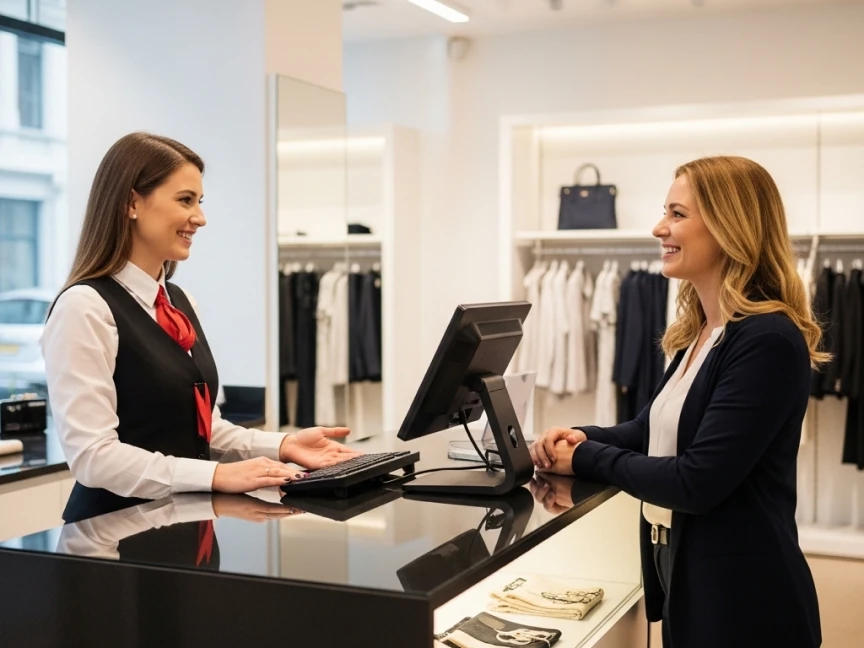
In retail, every customer interaction is a moment of truth that can build loyalty or send shoppers straight to your competitors – and your frontline employees are the ones making or breaking these moments every single day. The difference between a store that thrives and one that struggles often comes down to how well staff connect with customers, solve problems, and create memorable experiences.
Customer service training for retail employees isn’t just a nice-to-have; it’s the foundation of sustainable retail success. When your team knows how to listen actively, recommend products authentically, and handle difficult situations with grace, you’re not just improving individual transactions – you’re building a reputation that drives repeat business and word-of-mouth referrals.
This complete guide will walk you through everything you need to know about creating, implementing, and measuring an effective training program that transforms your retail staff into confident, customer-focused professionals. Whether you’re launching a new initiative or refining an existing one, you’ll find actionable strategies that fit seamlessly into your guide to retail operations.
Why Customer Service Training Matters More Than Ever in Retail
The retail landscape has shifted dramatically. With e-commerce offering unprecedented convenience, brick-and-mortar stores must compete on experience – something no algorithm can replicate. Your employees are your competitive advantage, but only if they’re equipped with the right skills.
Consider this: 68% of employees prefer to learn and train at work, and companies that invest in training see productivity increases of 17% or more. Yet many retailers still treat training as an afterthought, wondering why turnover remains high and customer satisfaction stagnant.

The True Cost of Poor Customer Service
Poor customer service costs retailers an estimated $75 billion annually in lost sales. That’s not just theoretical – it’s revenue walking out your door and into competitors’ stores. When customers encounter unhelpful or unfriendly staff, they don’t just leave disappointed; they share their experience with friends, family, and increasingly, social media followers. One negative interaction can ripple outward, affecting dozens of potential customers you’ll never even see.
How Training Impacts Your Bottom Line
Trained employees are 21% more productive and significantly less likely to leave their positions. According to recent research, employees received an average of 47 training hours per year in 2024 – and those hours translate directly to performance. Customer acquisition costs 5-25x more than retention, making service quality crucial for profitability. Every dollar invested in retail staff training programs returns multiple times over through increased sales and reduced turnover costs.
The Connection Between Employee Confidence and Customer Satisfaction
There’s a direct link between how confident your employees feel and how satisfied your customers become. When staff members know their products, understand policies, and have practiced handling various scenarios, they project competence that customers can sense immediately. This confidence creates better experiences, leading to higher conversion rates and larger basket sizes. Research shows that 92% of employees think workplace training impacts their job engagement positively – and engaged employees create engaged customers.
Essential Skills Every Retail Employee Needs
Effective customer service skills for retail workers go far beyond basic politeness. Today’s retail environment demands a sophisticated skill set that combines emotional intelligence, product expertise, and sales acumen. Let’s break down the core competencies your training program should develop.
Active Listening and Communication Fundamentals
Active listening is the foundation of every successful customer interaction. It involves more than just hearing words – it requires:
Paraphrasing what customers say to confirm understanding
Asking clarifying questions to uncover real needs
Reading non-verbal cues like body language and tone
Maintaining eye contact and giving full attention
Train employees to resist the urge to formulate responses while customers are still speaking. The few seconds of silence after a customer finishes talking can reveal additional needs they might not have initially expressed.

Product Knowledge and Recommendation Techniques
Deep product knowledge enables employees to match solutions to customer needs authentically. This isn’t about memorizing specifications – it’s about understanding how products solve problems and improve lives. According to Shopify’s research, retailers can use staff training programs to fill knowledge gaps and develop the soft skills needed for effective customer communication.
Effective recommendation techniques include:
Asking lifestyle questions before suggesting products
Explaining features in terms of benefits
Sharing personal experience or customer testimonials
Offering alternatives at different price points

Handling Difficult Customers and De-escalation
The HEARD technique transforms complaints into loyalty opportunities. This framework gives employees a structured approach to navigate challenging interactions:
Hear: Let the customer fully express their concern without interruption
Empathize: Acknowledge their feelings and validate their frustration
Apologize: Offer a sincere apology for their experience
Resolve: Take action to fix the problem
Diagnose: Identify root causes to prevent future occurrences
Role-playing exercises help employees practice these skills in low-stakes environments before facing real customers. As TruRating notes, retail store staff training is key to boosting performance and customer satisfaction.

Upselling and Cross-selling Without Being Pushy
Effective upselling focuses on genuine value addition rather than pushing higher-margin items. The goal is helping customers get more value from their purchase, not extracting maximum revenue from every transaction. Train employees to:
Identify complementary products that enhance the primary purchase
Ask permission before making suggestions (“Would you like a recommendation for…”)
Accept “no” gracefully without pressure
Focus on customer needs, not sales targets
When done right, customers appreciate thoughtful suggestions and often spend more while feeling better about their experience.

Building an Effective Training Program: Step-by-Step
Creating a comprehensive retail employee training best practices program requires strategic planning and ongoing commitment. Here’s how to build one that delivers measurable results.
Assessing Current Skill Gaps and Training Needs
Before designing any training content, you need to understand where your team currently stands. Start with multiple assessment methods:
Mystery shopping: Get objective insights into actual customer interactions
Customer feedback analysis: Review surveys, reviews, and complaint patterns
Employee self-assessments: Ask staff to identify areas where they want improvement
Manager observations: Document specific behaviors that need development
Look for patterns across these sources. If multiple customers mention slow checkout times, that’s a training priority. If employees consistently struggle with product questions in a specific category, focus there first.
Choosing the Right Training Methods and Formats
Adult learners retain 75% of what they practice versus just 5% of what they hear in lectures. This means your training program should blend multiple methods:
Microlearning: Short modules for knowledge transfer
Role-play: Hands-on practice for skill development
Shadowing: Real-world observation and application
Peer coaching: Learning from experienced colleagues
For inspiration on what works, check out these examples of retail training programs that have delivered proven results for real retailers.

Creating Engaging Training Content That Sticks
Break training into 15-20 minute modules that fit between shifts or during slower periods. This approach respects employees’ time while maximizing retention. Effective content includes:
Real scenarios: Use actual situations from your stores
Video demonstrations: Show correct techniques in action
Interactive quizzes: Test understanding immediately
Downloadable reference guides: Provide ongoing support materials
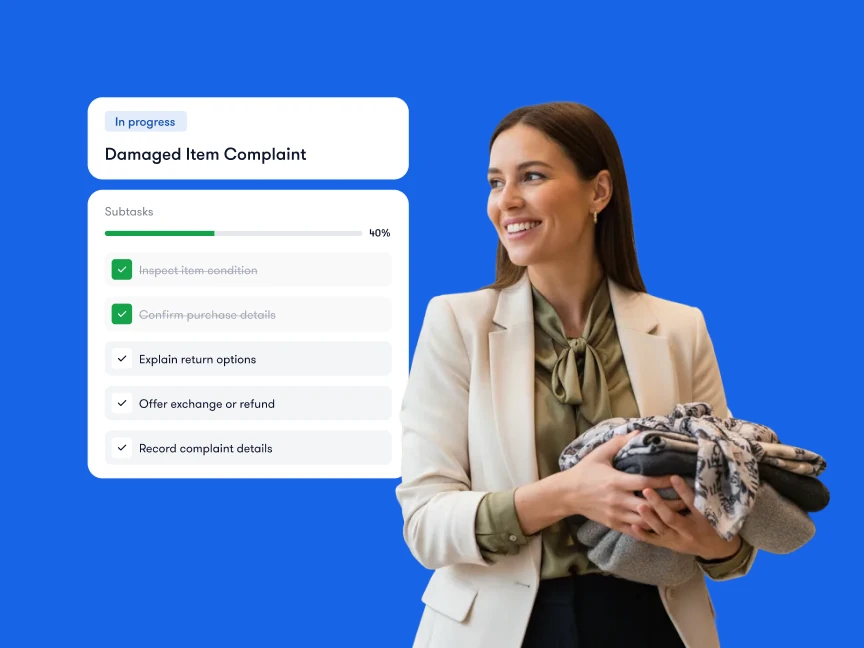
This is where tools like Bitreport help move training from theory into execution. By using workflows and recurring tasks, retailers can turn customer service SOPs into structured, step-by-step processes that guide employees through real situations such as handling complaints, returns, or service recovery. These workflows act as practical support on the shop floor, helping employees apply what they’ve learned consistently and with confidence.
Take control of your operations, before chaos takes control of you.
Task management further supports onboarding and ongoing training by clearly assigning learning activities, refreshers, and follow-ups, ensuring nothing is missed as teams grow or change. At the same time, a centralized knowledge base allows all training materials, customer service guidelines, and SOPs to be stored in one place, giving employees easy access to the information they need – exactly when they need it.
Scheduling Training Without Disrupting Operations
One of the biggest challenges in how to train retail staff in customer service is finding time without impacting store operations. Strategies that work include:
Pre-shift huddles: 10-minute skill refreshers before opening
Slow period training: Utilize predictably quiet times
Staggered schedules: Rotate employees through training sessions
Mobile learning: Allow completion during commutes or breaks
Use technology platforms to deliver consistent training across multiple locations without requiring everyone to be in the same place at the same time.

Measuring Training Success and Continuous Improvement
Training without measurement is just hope. To ensure your retail customer experience training delivers results, you need systematic tracking and continuous refinement.
Key Metrics to Track Training Effectiveness
Track these indicators before and after training implementation:
Net Promoter Score (NPS): Customer likelihood to recommend
Customer satisfaction ratings: Direct feedback on service quality
Complaint resolution times: Speed of problem-solving
Average transaction value: Revenue per customer
Conversion rates: Browsers who become buyers
Repeat customer rates: Loyalty indicators
Gathering and Acting on Customer Feedback
Create multiple channels for customer input and analyze patterns regularly. Post-purchase surveys, in-store feedback kiosks, and social media monitoring all provide valuable insights. The key is acting on what you learn – if customers consistently mention a specific issue, address it in your next training update.
Creating a Culture of Ongoing Learning
Training shouldn’t be a one-time event. Implement regular refresher sessions and advanced skill development opportunities. Create peer mentoring programs where top performers help train newer team members. This approach builds culture while scaling your training capacity.
Schedule quarterly training reviews to update content based on new products, policies, or identified gaps. Retail changes constantly, and your training should evolve with it.
Using Technology to Monitor and Improve Performance
Use retail management software to identify patterns and areas needing additional coaching. Modern platforms can track individual employee performance, flag concerning trends, and suggest targeted interventions. This data-driven approach ensures training resources go where they’ll have the greatest impact.

Conclusion
Effective customer service training for retail employees requires a strategic approach that combines skill development, practical application, and continuous measurement – transforming your team from order-takers into relationship-builders who drive real business results.
The retailers who invest in comprehensive retail staff training programs today are building the competitive advantages that will define tomorrow’s market leaders. Your employees are your brand’s face, voice, and heart. Give them the tools they need to succeed, and they’ll give your customers experiences worth returning for.
Ready to transform your retail operations? Start by assessing your current training gaps, then build a program using the frameworks outlined in this guide. For more insights on optimizing every aspect of your retail business, explore our complete guide to retail operations and discover how systematic approaches to training, processes, and technology can elevate your entire organization.