

A superb customer experience builds loyalty and keeps customers coming back – no matter the industry.
Read: The Complete Guide to Retail Operations
Most businesses claim that customer experience is a priority, but only those that truly invest in it reap the rewards. Research shows that companies leading in customer experience achieve revenue growth 4–8% above their market peers.
The takeaway is clear: great customer experience starts with the right strategy.
In this blog, we’ll walk you through 6 practical steps to help you build a customer experience strategy that delivers results.
What Is a Customer Experience Management Strategy?
Think of customer experience management strategy as the plan behind the scenes that makes sure every visit runs smoothly and every customer leaves satisfied. It’s not just the happy customers, it’s everything that happens before, during and after.
When you have a customer experience management strategy in place, you don’t have to constantly worry about bad reviews and employee mistakes. When you have a system, everything just works. Not to mention that it opens an opportunity to create a lasting competitive advantage.
Here’s how to get started:
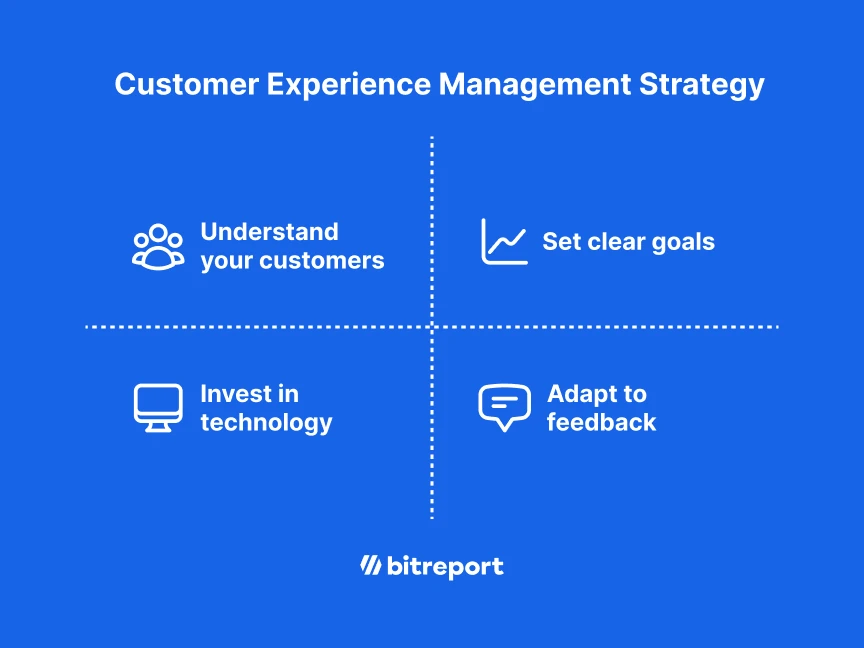
Understand your customers – Monitor behaviors, build personas, and segment customers into target groups
Set clear goals – Be clear about what you want to achieve – whether it’s repeat purchases or higher satisfaction scores
Invest in technology – Implement a solid customer relationship management (CRM) system and task management tools to get actionable insights and streamline processes
Adapt to feedback – Regularly analyze customer feedback and adapt strategy accordingly
After you get a clear understanding of your customers and goals, it’s time to put your strategy into action.
1. Focus on Employee Training
Your frontline employees are the face of your brand, making comprehensive training the foundation of any successful customer experience strategy. Research shows that 93% of employees who receive regular training deliver better customer service, while companies investing in employee training see significant improvements in customer retention rates.
Take Ritz-Carlton, for example, who allows staff to spend up to $2,000 per guest to resolve any issue without management approval. This is a great way to minimize dissatisfaction while creating a smooth and luxurious customer experience. And it works.
This approach has resulted in a 95% customer retention rate and 24% revenue increase after implementing their personalized service program.

2. Invest in the Right Tools
Once you have trained your employees it’s time to give them the right tools.
Investing in the right digital tools makes implementation of customer experience strategy a whole lot easier.
CRM systems allow you to access complete customer histories, preferences, and past interactions instantly, allowing for personalized service delivery and strategy adoption according to customer preferences. It also helps you get a better understanding of your target market, helping you better understand their needs and wants.
Apart from CRM systems it’s beneficial to invest in automation and task management tools that help get your strategy across without important information getting lost in the process.
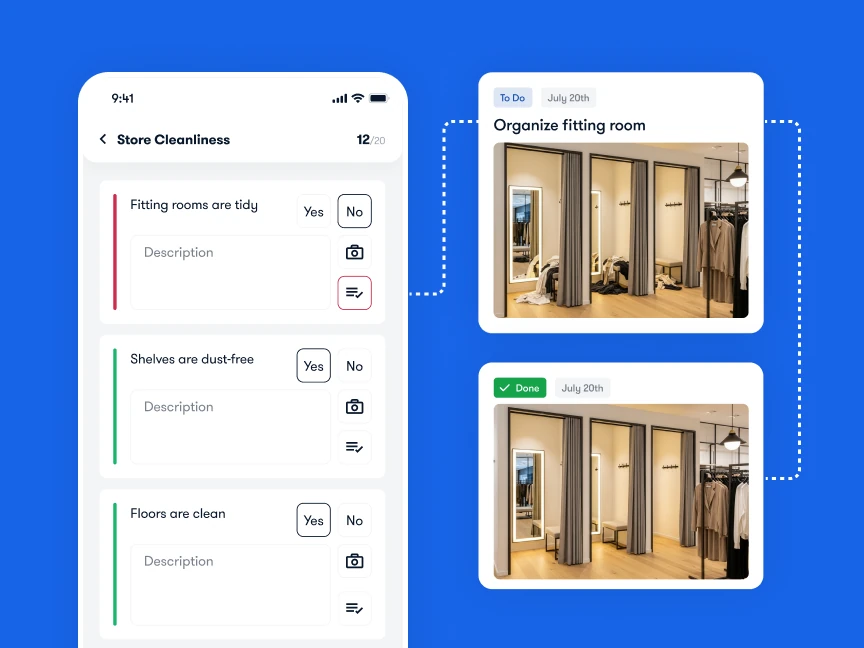
Bitreport, for instance, uses digital checklists and workflows to ensure consistent daily execution and customer service across all locations – a critical factor in customer experience management. It also allows you to track task completion and assign corrective actions, making sure that every shift runs smoothly.
When your staff can quickly access task lists, complete audits efficiently, and resolve issues in real-time, customers notice the difference through smoother service, cleaner environments, and more consistent experiences across all your locations.
3. Gather Feedback You Can Act On
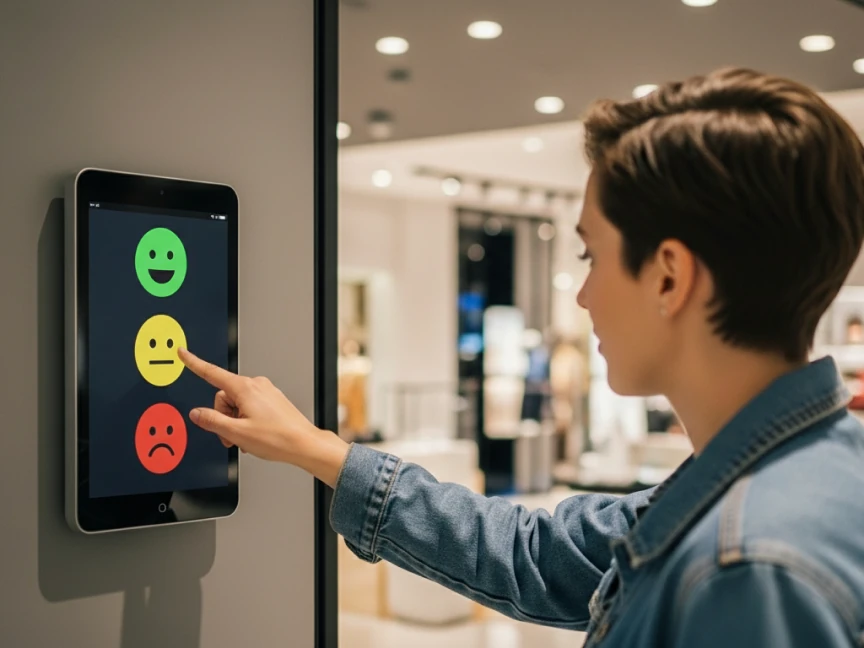
Implement customer feedback solutions, such as NPS devices to make sure that customers can provide feedback.
Gather customer feedback at every touchpoint and analyze it to identify repeating problems. Having comprehensive feedback through surveys, reviews, and social media monitoring allows you to understand customer sentiment and satisfaction levels in real-time.
H&M, for example, values customer feedback so much that they have multiple channels of collecting information – such as NPS surveys, e-commerce platform and post-purchase surveys. That way customers can rate their experience with stars and detailed comments, helping H&M gain key insights into shopper preferences, buying behaviors, and satisfaction trends.
4. Monitor and Measure Customer Experience
The key is to set clear, measurable objectives, like repeat purchase or better overall satisfaction that you can later measure and update. Once you have set up clear KPIs you can start measuring customer experience and see which fields require more attention.
Starbucks is a great example of a company that knows how to measure customer experience. They use their mobile app and rewards program for customer surveys and real-time behavioral tracking, in addition to social media monitoring, and focus groups. Through their 30,000 stores, they collect data on customer behavior like foot traffic, peak hours, and product popularity to optimize operations.

Image source: Rewards Canada – Starbucks Rewards Double Star Days
5. Normalize Cross-platform Collaboration
Seamless experience across all channels and locations to ensure exceptional customer experience whether customers are browsing your website, visiting different store locations, or contacting customer support. Companies that excel in omnichannel experiences see customers spend 140% more compared to those with poor cross-platform integration.
Target’s “Drive-Up” service integration is a great example of successful cross-platform collaboration, with 734% growth in Drive-Up sales between 2019 and 2021. It creates a seamless experience as customers can order online, and pick their orders in the store.

Image source: Medium – Target Store
6. Constantly Adapt and Innovate
Regularly gather customer feedback, analyze data, and make improvements to your customer experience management strategy. By staying updated on industry trends and technologies you can innovate and stay ahead of the competition.
Make sure to constantly monitor your customer base to see if their preferences changed or new trends arose (so you can stay ahead) so you are able to timely adapt your customer experience management strategy.

A good example is Amazon, who continuously adapts its customer experience strategy through sophisticated algorithms and data analysis. They often highlight that they are a customer-centric company – often pioneering new technologies and business models to improve the customer experience.
Final Thoughts
At the end of the day, a successful customer experience management strategy is about making every customer feel valued, understood, and delighted. You don’t need big budgets or complex processes – just a clear strategy, well-trained teams, and the right technology to bring it all together.
Start by understanding your customers, setting measurable goals, gathering real-time feedback, and setting your employees up for success with tools like Bitreport to seamlessly execute daily operations. With continuous measuring and a focus on innovation, your business can deliver consistently exceptional experiences.