

Running a restaurant is already tough. Managing inventory shouldn’t make it harder.
And yet, for most restaurant teams, it still does. Between overordering, forgotten stock in the back of the walk-in, and those late-night inventory counts that never quite match up… it’s no wonder inventory feels like a headache no one really wants to deal with.
Read: Mastering Restaurant Operations: A Complete Guide
But here’s the truth: when you get inventory under control, everything else runs smoother. Less waste. Better margins. Fewer surprises.
Even better? It pays off – fast. Research shows that for every €1 invested in effective inventory practices, restaurants can save approximately €7. That’s not just better organization, it’s real money back in your pocket.
And you don’t need a fancy system or a full-time stock controller to make that happen. You just need a clear process and the right tools to back it up.
In this guide, we’ll break down what good restaurant inventory management really looks like (without the fluff), where most systems go wrong, and how you can take control with a simpler, smarter approach using modern tools.
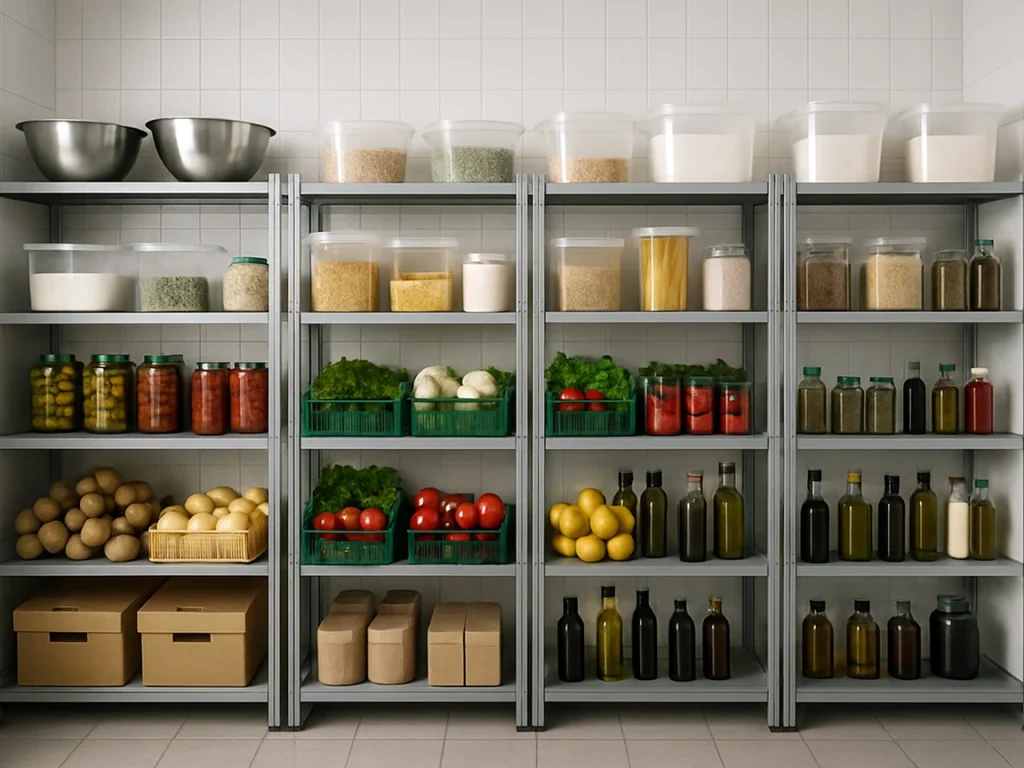
What a Solid Inventory Process Actually Looks Like
You don’t need to be a logistics expert to run great inventory; you just need a system that’s clear, consistent, and easy to follow. Whether you’re managing a small bistro or a multi-unit operation, here’s what solid inventory management looks like in practice:
Real-Time Tracking of Stock Levels
The days of guessing what’s in your fridge or freezer should be long gone.
With real-time tracking, your team can see exactly what’s in stock, what’s running low, and what’s been used at any point during the day. No more digging through boxes or flipping through half-filled log sheets to find out what’s left.
When stock data is updated as service happens, you’re not working off yesterday’s numbers. You’re working with the most current view of your inventory, which makes a huge difference when it comes to planning, ordering, and avoiding surprises.
Why it matters
Better prep decisions: When the team knows how much is left, they can prep just enough, not too little, not too much.
Smoother shift handovers: Whether it’s between lunch and dinner, or staff changing mid-shift, everyone’s on the same page.
Less waste and fewer stockouts: You catch issues early, before ingredients expire or run out during service.
Faster ordering: When it’s time to reorder, you already have the numbers. No need to scramble around the walk-in.
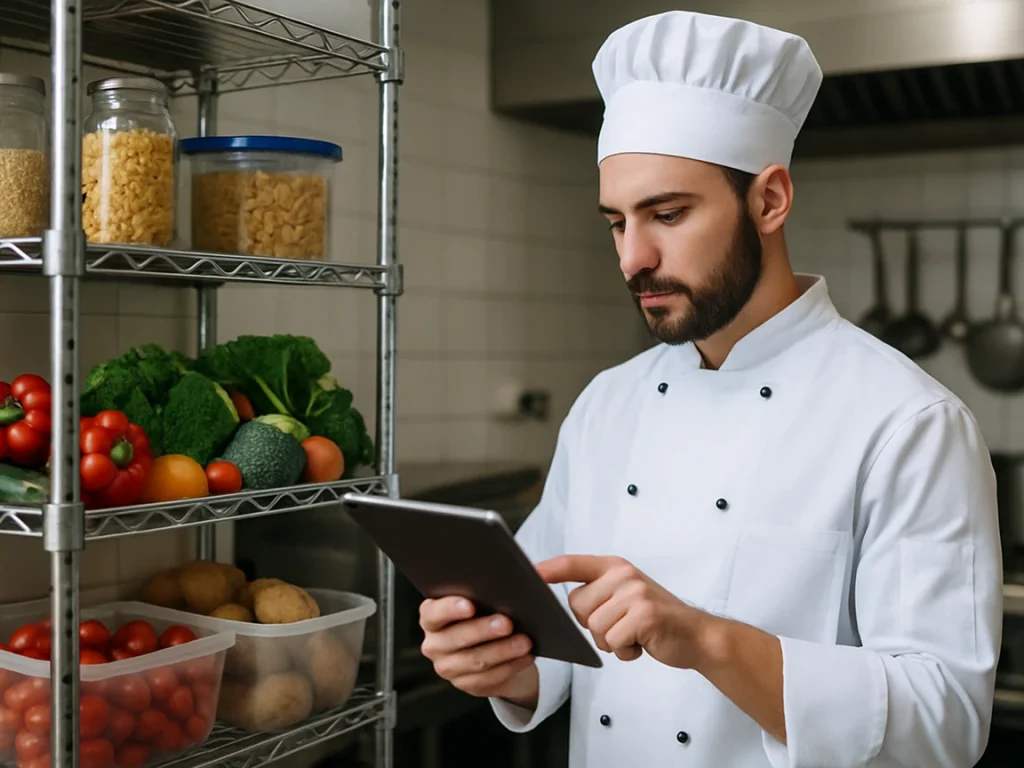
Regular Counts That Actually Make Sense
Not everything in your kitchen needs to be counted daily. Some items fly off the shelves, while others barely move over a week.
A smart inventory system matches the counting frequency to how fast items turn over. This keeps your data accurate without overwhelming your team with unnecessary work.
Here’s a practical breakdown:
Daily counts for high-turnover, high-risk items like fresh produce, proteins, or anything with a short shelf life
Weekly counts for medium-use ingredients—think sauces, oils, condiments, or frozen items
Monthly counts for bulk goods, backup stock, dry storage, and non-food supplies like napkins or to-go containers
Rather than trying to count everything, every time, you create a system that’s sustainable and focused on what actually matters.
Why it matters
Prevents waste before it happens. By checking perishables daily, you can catch spoilage before it spreads, adjust prep plans if stock is low, and ensure ingredients are being rotated properly.
Saves time (and team sanity). No one enjoys an hour-long inventory slog. With focused counts, your team spends time only where it matters, making the process feel manageable instead of overwhelming.
Creates a consistent routine. Inventory becomes a habit, not a hassle. When staff know what to check and when, compliance goes up, and so does accuracy.
Supports better ordering. If you’re only checking stock once a week, you’re blind to what’s happening in between. Regular counts create a clearer picture of usage trends, helping you place smarter, more accurate orders.
Smart Par Levels Based on Usage, Not Guesses
Let’s be honest: “par level” often ends up meaning “what we ordered last time.” But that’s not good enough.
A smart inventory system sets par levels based on real usage data, not habits or hunches. That means setting a minimum quantity you should always have on hand, and a maximum quantity that prevents you from over-ordering and crowding your shelves.
There are tools that make these par levels dynamic. They adjust based on how much of an item you’re using across days, weeks, and months, so you’re always aligned with reality, not assumptions.
Clear, data-driven par levels give your team a reliable target. No more asking managers how much to prep or debating whether you’ve got “enough” of something.
Why it matters
Improves supplier relationships. Consistent ordering helps suppliers plan better and improves your chances of getting exactly what you need, when you need it, especially during busy periods or shortages.
Supports multi-location consistency. For restaurants with more than one location, standardized par levels help keep operations aligned, so you don’t have one team over-ordering while another is constantly short.
Adapts quickly to menu changes. Introducing new dishes or removing old ones? Smart par levels adjust to changes in usage without throwing off your whole system.

Easy-to-Read Reports That Really Help
Inventory data is only useful if you can actually use it.
That means ditching confusing spreadsheets and endless folders in favor of clear, visual reports that make key trends easy to spot.
The right reports help you:
Track usage patterns over time, so you can prep and order with confidence
Forecast inventory needs based on real service history, not guesswork
Compare performance across teams or locations, if you’re managing more than one
Pinpoint loss areas like spoilage, over-portioning, or inconsistent ordering habits
Instead of reports collecting dust, they become daily tools for better decision-making.
Why it matters
Helps you catch problems early. You’ll see red flags, like unexpected spikes or drops, before they hit your bottom line.
Makes decision-making easier. With the right numbers in front of you, things like ordering, prep planning, and pricing become much clearer.
Keeps everyone aligned. From kitchen to management, everyone works from the same data, leading to smoother communication and a smarter strategy.
Take Control of Your Inventory Before It Controls You
Good inventory management isn’t about counting things; it’s about running your restaurant more efficiently, profitably, and predictably.
With the right tools and a few small changes, you’ll spend less time firefighting and more time focusing on what really matters: serving great food and growing your business.