

When a fridge stops working during lunch rush or a fryer gives up on Friday night, it’s more than just annoying – it’s expensive. And it’s usually preventable.
Restaurant equipment maintenance isn’t the flashiest part of running a business, but it is one of the most important. The good news? With a bit of structure and the right tools, you can keep your kitchen humming, your team happy, and your margins healthy.
Read: Mastering Restaurant Operations: A Complete Guide
Let’s break down why equipment maintenance matters, how to tell if your current system needs work, and what a smarter setup looks like.
4 Signs Your Maintenance Process Isn’t Working
Most restaurant owners don’t think much about their ice machine, fryer, or HVAC, until something breaks. Then it’s chaos.
But those breakdowns aren’t just frustrating. They’re costly:
Lost sales when equipment goes down mid-service
Emergency repair bills that eat into your profits
Higher replacement costs when things die early from poor upkeep

The worst part? These costs often go unnoticed because they feel like “part of the job.” But they add up, and they add up fast.
If your equipment maintenance strategy is mostly “wait until something breaks,” you’re not alone. Many restaurants deal with this reactively, simply because they don’t have a better system in place.
Here are a few red flags:
You have no idea when each piece of equipment was last serviced
Issues get reported too late (or not at all)
Only one person knows how to handle maintenance, and they’re always putting out fires
You’re constantly calling in emergency repairs
Sounds familiar? Don’t worry, it’s fixable.
What a Good Equipment Maintenance Workflow Looks Like
You don’t need a huge operations team or expensive consultants to get this right. A solid maintenance workflow should be simple, repeatable, and visible to your team.
Here’s what that looks like:
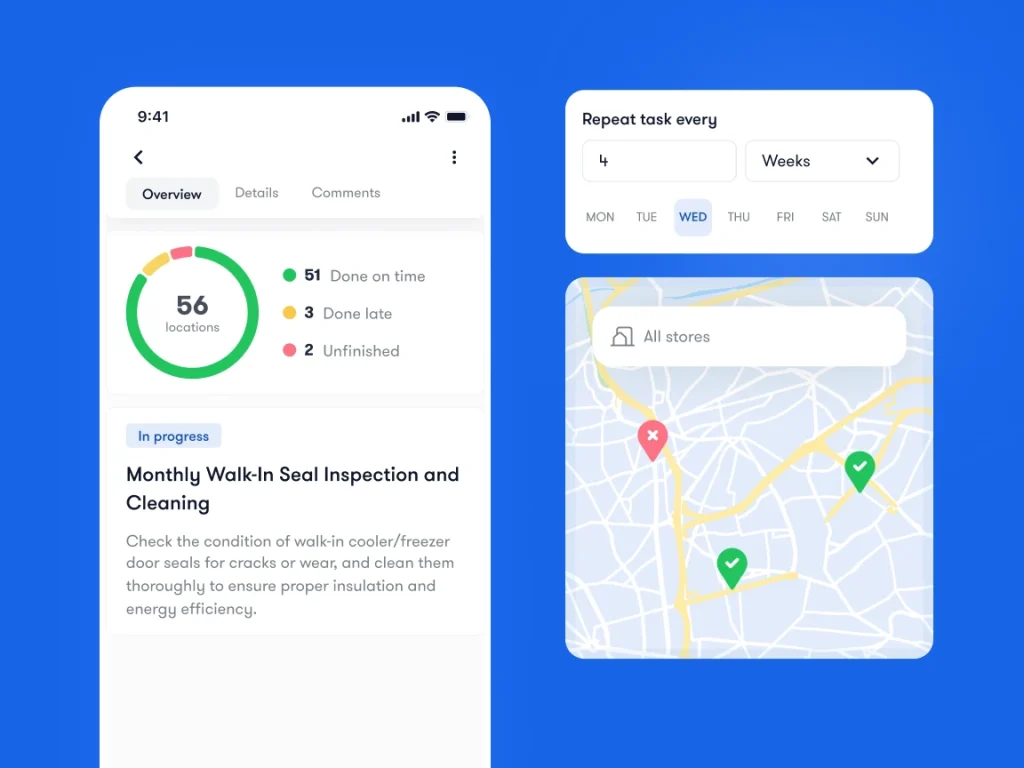
Checklists for Daily, Weekly, and Monthly Tasks
Checklists are your first line of defense against equipment failure. They make it easy for your team to know exactly what needs to be done, and when.
Daily tasks might include cleaning fryer filters, checking fridge temps, or wiping down hood vents.
Weekly tasks could be descaling coffee machines or checking for gas leaks on stoves.
Monthly tasks often cover deeper cleaning, tightening loose parts, or inspecting walk-in seals.
The key? Keep these lists short and specific. Put them where your staff can’t miss them, printed in the kitchen or shared digitally through a tool like Bitreport. Make them part of the routine, just like prep or closing duties.
Clear Responsibilities – Everyone Knows What They’re In Charge Of
When “someone” is responsible, no one is. That’s why assigning tasks to specific roles or people is crucial.
The opening cook might be in charge of fridge temperature checks.
The shift manager could handle weekly equipment inspections.
The kitchen lead might coordinate service visits.
Make it part of onboarding. If it’s a part of their job from day one, it won’t feel like extra work, it’ll feel like part of how your team keeps things running smoothly.
Scheduled Servicing for Major Equipment (Yes, Put It on the Calendar!)
Some equipment needs regular professional servicing, like HVAC units, ice machines, ovens, and refrigeration systems. Waiting until these break is a recipe for high costs and major disruption.
Instead:
Schedule professional maintenance every few months (based on manufacturer guidelines).
Use a shared calendar or set recurring reminders in your ops software.
Track completed service dates so you’re never left guessing when it was last done.
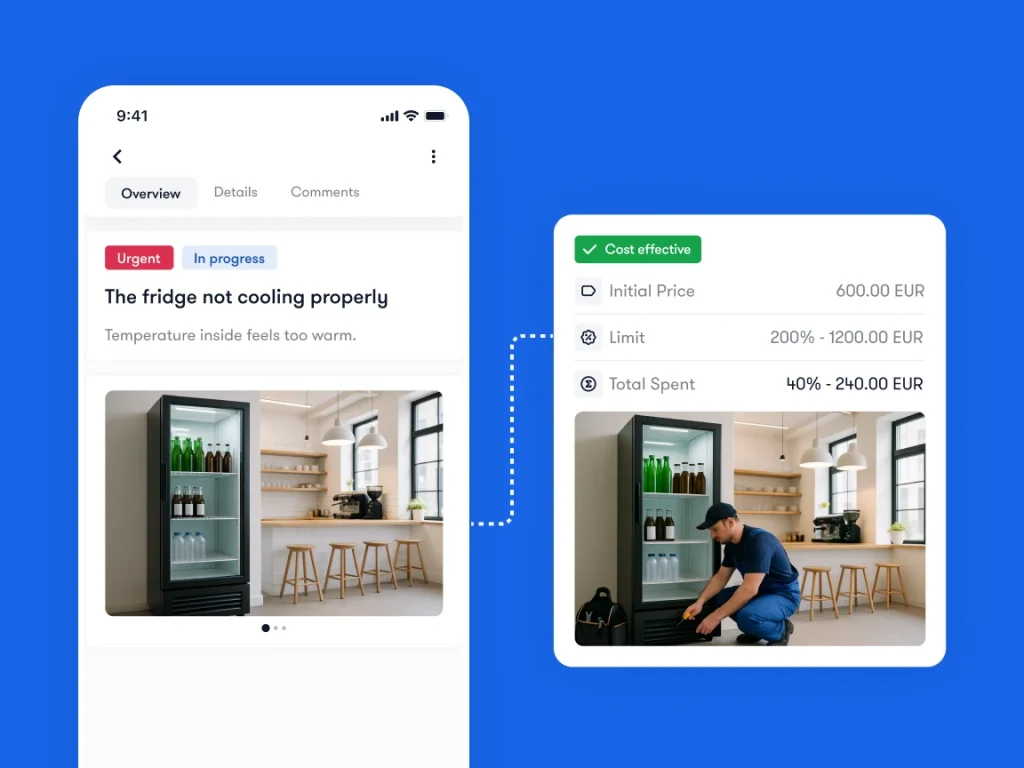
Bitreport lets you log and track service history, so when something goes wrong, you’ll know exactly what’s been done, and when it’s due again.
Real-Time Reporting When Issues Pop Up
If a staff member notices a weird smell coming from the dishwasher or a fryer that’s heating unevenly, they need a simple way to say, “Hey, something’s off.”
The faster that info gets passed on, the faster you can fix it before it turns into a full-blown problem.
With Bitreport:
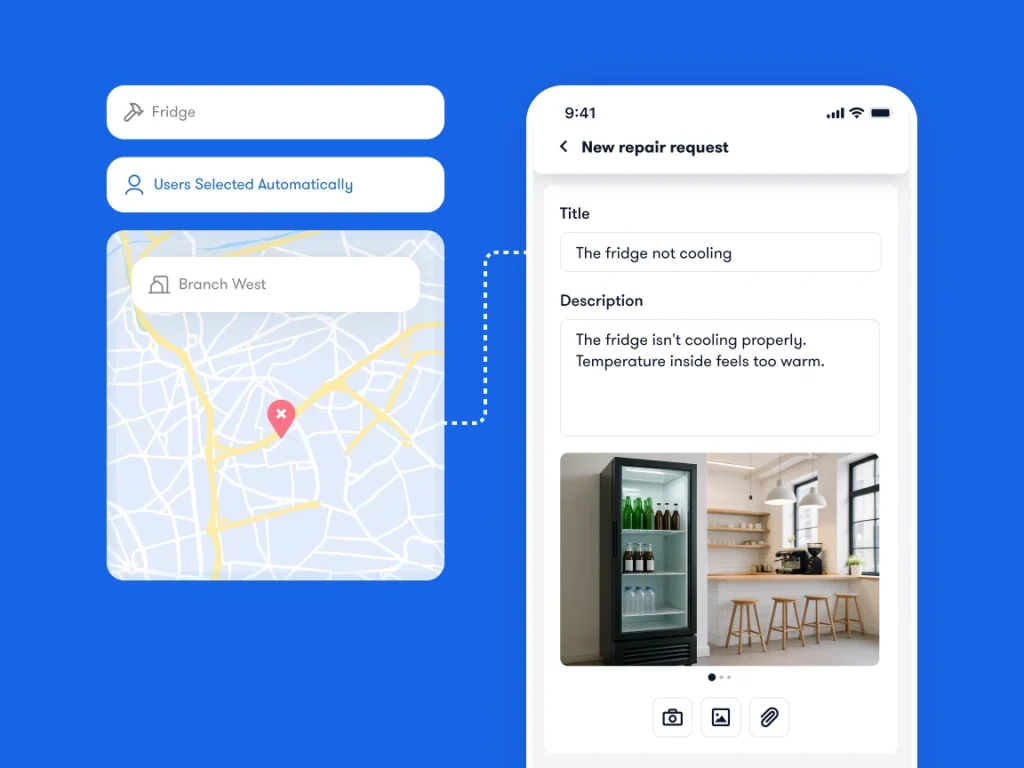
Team members can report equipment issues instantly from their mobile or tablet
Managers get notified right away
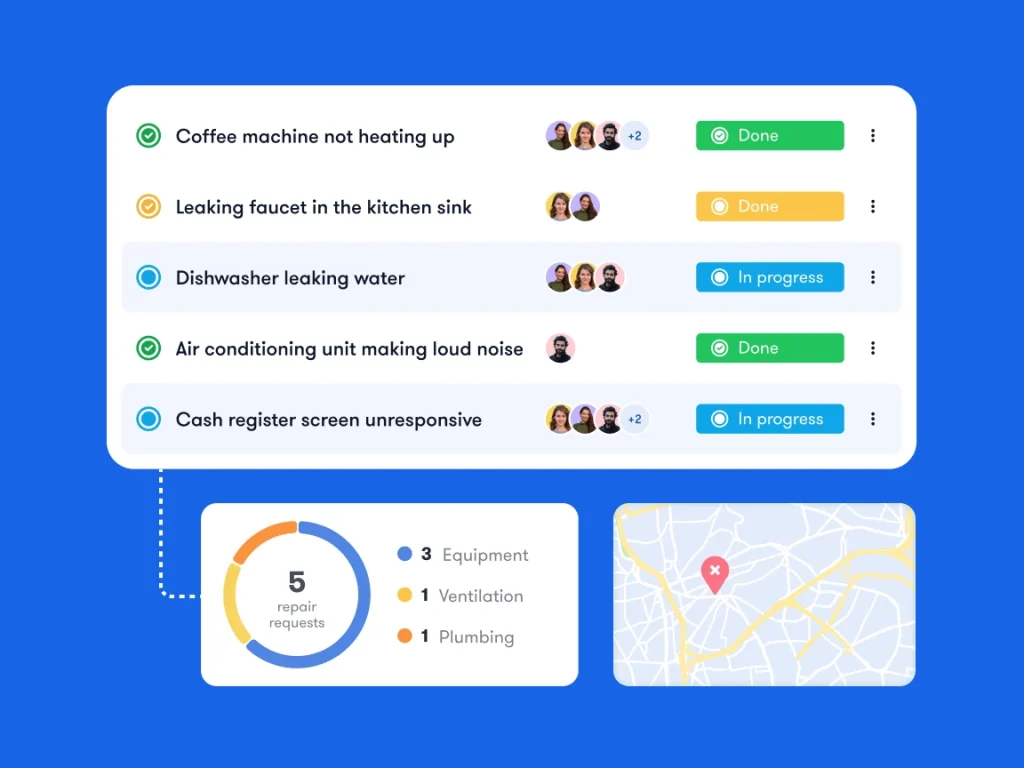
All reports are stored in one place, so nothing gets lost in the group chat
This kind of real-time visibility keeps you one step ahead of breakdowns and builds a culture where everyone helps protect the kitchen.
When your team knows what to look for, and where to report it, things stop slipping through the cracks.
How Bitreport Makes It Easy
This is where Bitreport comes in.
Instead of relying on sticky notes or someone’s memory, Bitreport gives you a simple, visual way to track equipment and stay ahead of issues.
With Bitreport, you can:
Log equipment issues from any device (no need for a manager to be present)
Track service history in one place, no more digging through emails
Set tasks for regular maintenance
Spot patterns and make smarter repair vs replace decisions
It’s like a digital maintenance log that actually gets used, and it fits right into your daily operations.
Let Your Equipment Work for You (Not Against You)
Your team already has enough on its plate. A broken oven or leaking dishwasher shouldn’t be part of the daily chaos.
By getting proactive with your restaurant equipment maintenance, you can prevent fire drills, save real money, and keep service running smoothly.
Want to see how Bitreport can help?
Book a quick demo and take the first step toward a more reliable kitchen.